What Mountain Ranch Living Near Big Sky Is Really Like
February 12, 2026
February 12, 2026
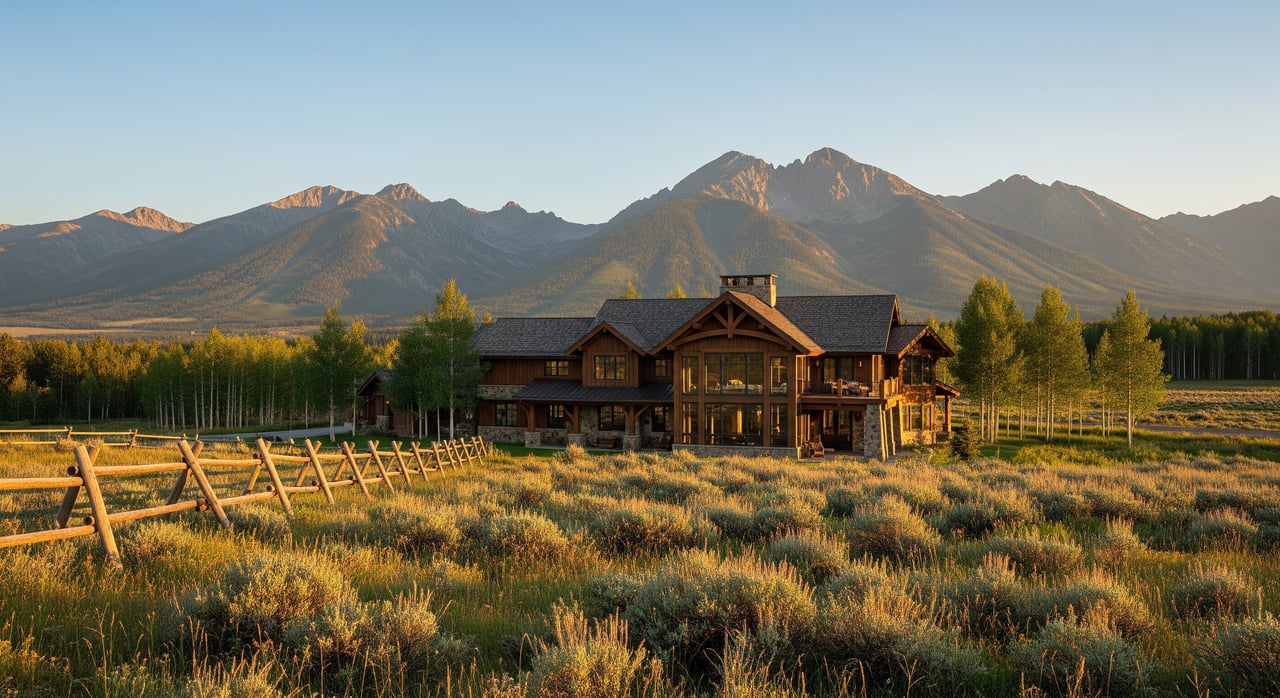
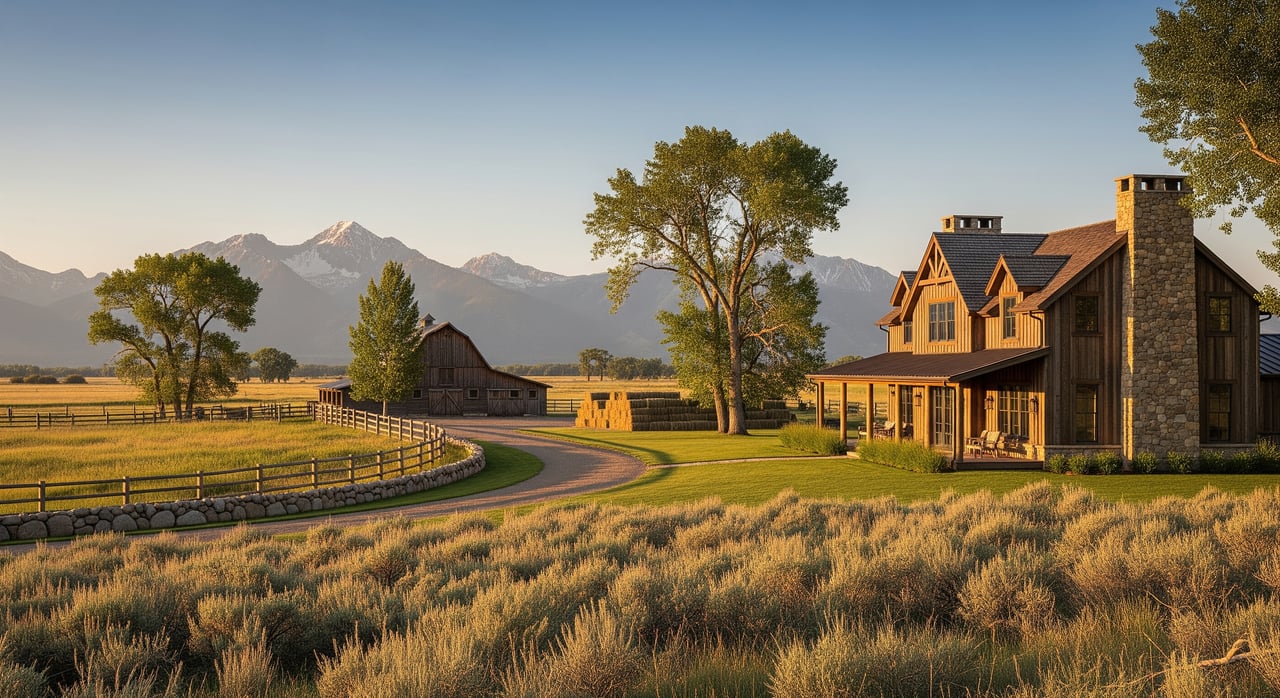
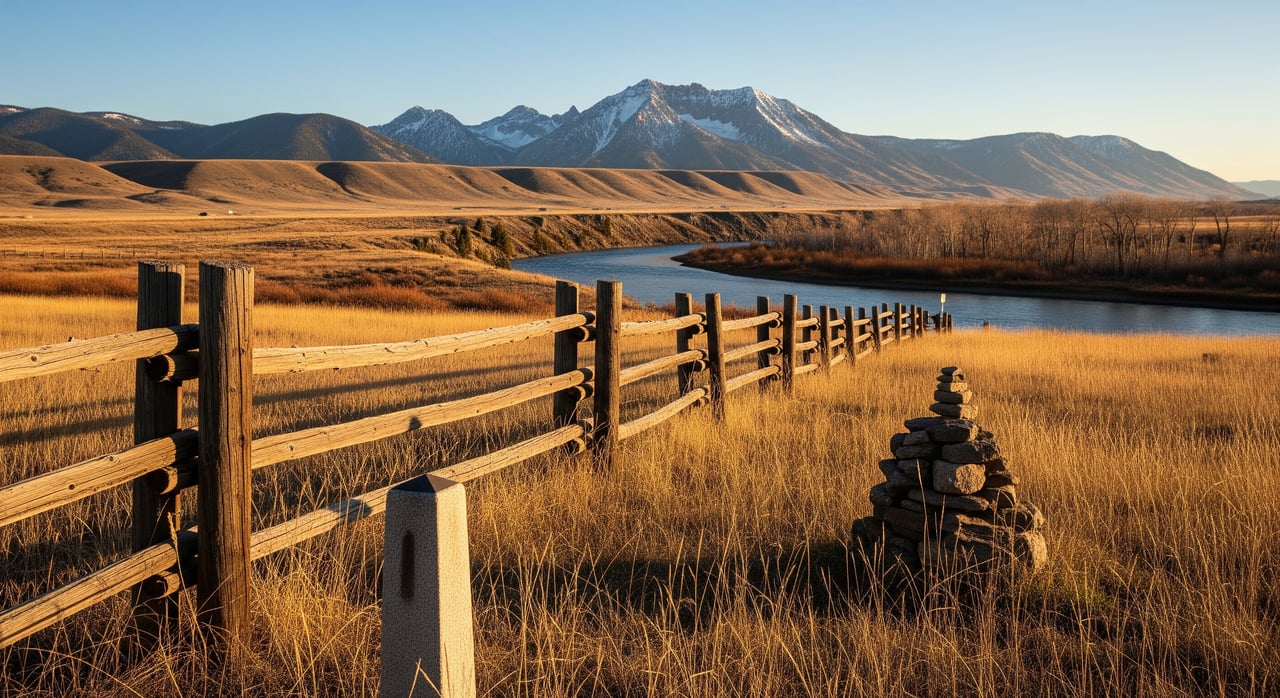
What if your morning started with alpenglow on Lone Mountain and the soft thud of elk hooves in the meadow below your porch? Mountain ranch living near Big Sky offers that kind of closeness to nature, along with quick access to world-class skiing and wild public lands. It also asks you to plan ahead, work with the seasons, and care for your land. This guide gives you a clear look at daily rhythms, access, wildlife, and the practical details that make ranch and acreage life here rewarding. Let’s dive in.
Big Sky sits in southwestern Gallatin County, surrounded by high peaks, timbered ridges, and working valleys. It is an unincorporated community, so county-level services and land planning come through Gallatin County. Travel patterns center on the Gallatin Canyon corridor, with Bozeman as your main hub for hospitals, major shopping, and cultural events. Resort resources offer detailed travel information for Big Sky Resort, which reflects the typical 45 to 75 minute ground travel from the valley floor depending on weather and traffic.
You will find a mix of resort activity and quiet rural living. Seasonal and second-home owners blend with year-round locals who work in hospitality, guiding, construction, and land-based trades. Expect a social calendar that swells in peak ski season and summer, and a quieter, neighborly feel in shoulder months.
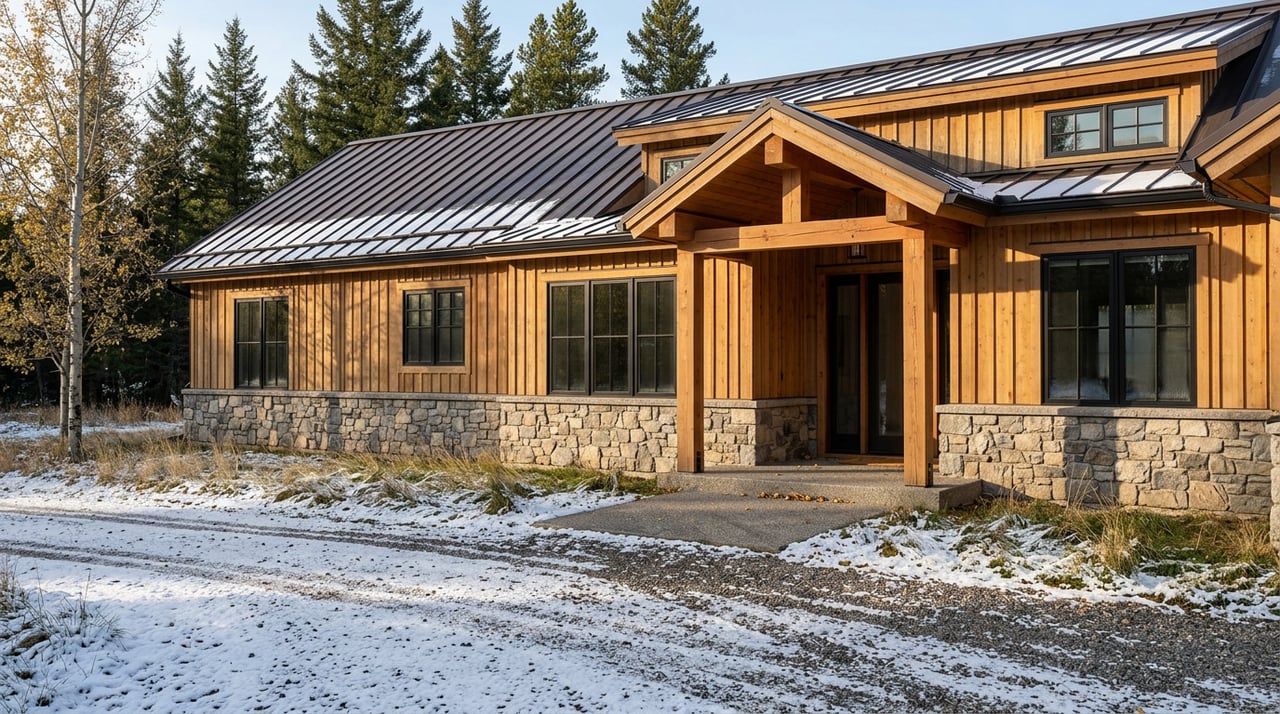
Snow defines life here. Big Sky’s mountains see deep, reliable snowfall that fuels long ski seasons, as the resort’s Weather and Snow report shows. On nearby ranch properties, plan on 4WD vehicles, winter tires, and regular snow removal for driveways and private roads. Shorter daylight and cold temps can slow chores, so many owners schedule supply runs and appointments in clusters.
When the thaw arrives, roads and driveways can turn slick and rutted. Low-lying meadows, culverts, and private lanes may need grading once the ground firms up. County and private maintenance cycles vary, so check local schedules and be ready with high-clearance vehicles until the surface settles.
Summer is short, bright, and busy. Long days are ideal for haying, fencing, and building projects. If you plan gardens or pasture, water availability and irrigation strategy matter. Fall brings hunting seasons and more wildlife movement, along with the first high-country snow that closes some access points.
If you love skiing, you can balance ranch chores with lift-served laps and backcountry objectives. Big Sky Resort’s resources outline lift service, terrain, and the snowfall that keeps winter stoke high.
The region’s blue-ribbon waters draw anglers from around the world. Before you go, review season rules and local access through Montana Fish, Wildlife & Parks resources. River flows and regulations change with conditions, so plan your days around current guidance.
Much of the landscape around Big Sky is edged by the Gallatin National Forest trail systems. Trails support hiking, mountain biking, horseback riding, and winter touring, with seasonal restrictions in place for safety and habitat protection. Always check permitted uses and current notices before heading out.
Living here puts weekend trips to Yellowstone National Park within reach. You gain quick access to geyser basins, thermal features, and abundant wildlife. Keep in mind that tourist traffic ebbs and flows by season, so travel times can vary.
On acreage near Big Sky, you share space with elk, deer, and moose, as well as black bears and grizzly bears that inhabit the Greater Yellowstone Ecosystem. For context on bear presence and conservation, review U.S. Fish & Wildlife Service guidance on grizzly bears.
Living well with wildlife starts with secure storage and good habits. Keep garbage, livestock feed, and attractants in bear-resistant enclosures. Manage dogs and livestock responsibly, and use electric fencing where suitable. Montana’s agency guidance is your best reference for practical steps, so consult Montana Fish, Wildlife & Parks.
Mountain landscapes carry wildfire risk. Create defensible space, maintain clear access for emergency vehicles, and follow seasonal burn restrictions. For preparedness tips and active incident information, use National Interagency Fire Center guidance.
Because Big Sky is unincorporated, county rules apply. Confirm zoning, allowed uses, minimum parcel sizes, and any deed restrictions or conservation easements through Gallatin County. Easements or covenants can shape building sites, fencing, and road access.
Many properties rely on private wells or shared systems. In Montana, water rights are governed by prior appropriation and administered by the DNRC. Verify well logs, yield, and legal rights for any irrigation or surface diversion with the Montana DNRC Water Resources. If a parcel lacks rights, agricultural options may be limited.
Onsite septic is common. Review permits, past inspections, and soil test results before you commit. For siting and regulatory steps, coordinate with county environmental health through Gallatin County.
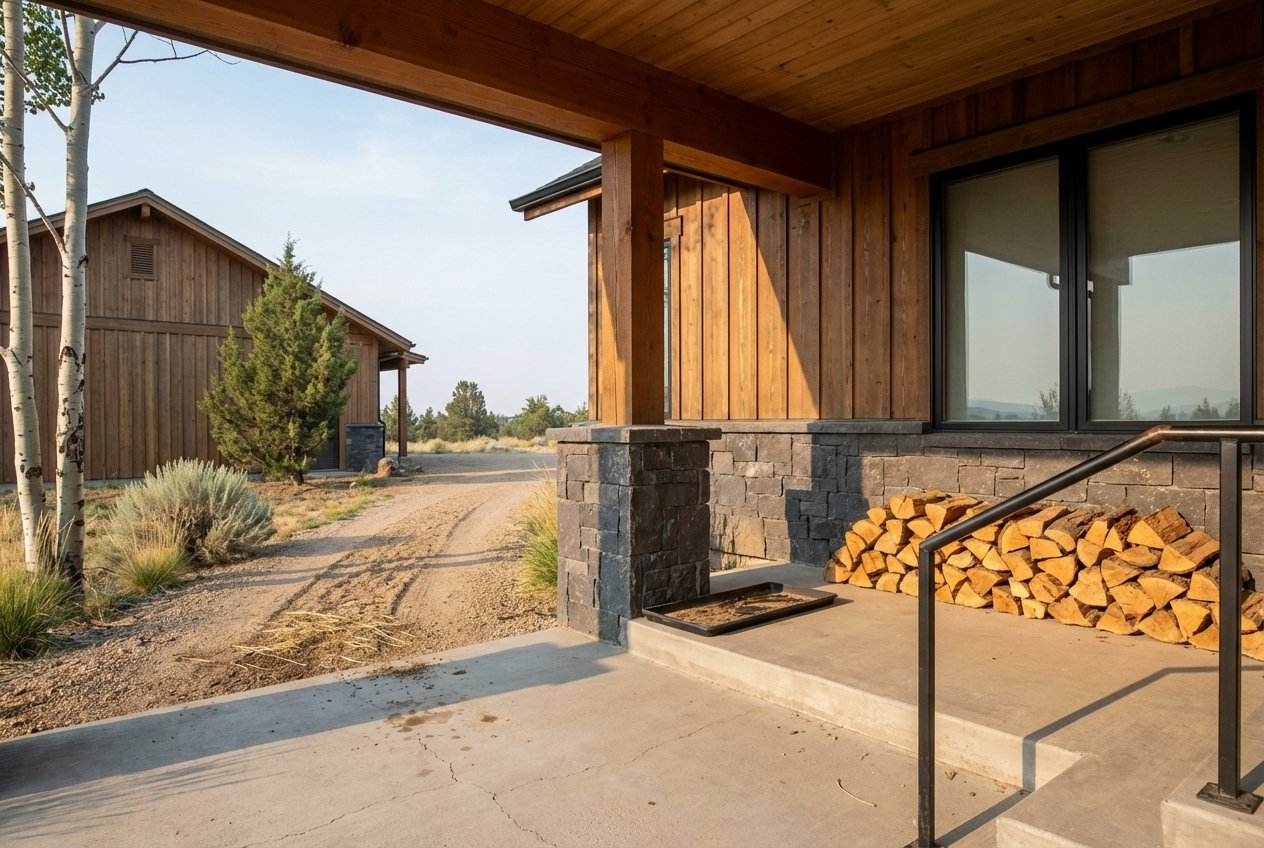
Grid electricity may not reach every parcel. Many owners use propane for heat and hot water and add wood or pellet stoves for resilience. Internet service varies by location; some ridges rely on satellite or fixed wireless. Check advertised coverage on the FCC Broadband Map and confirm real-world speeds with local providers and neighbors.
Access ranges from county roads to private lanes. Private road maintenance and plowing often fall to owners or road associations. Confirm who maintains access, how costs are shared, and which vehicles are practical in deep winter.
Operating costs can be higher than in town. Budget for snow removal, road upkeep, fuel, utilities, insurance that reflects wildfire and access factors, and ongoing land stewardship. Property taxes follow county assessment practices and vary with improvements and classification.
It fits if you value privacy, dark skies, and stepping straight into wild country. You will trade convenience for space and quiet, and your days will bend to weather. If you enjoy hands-on stewardship or plan to hire local help for roads, fences, and snow, the lifestyle often gives more than it asks.
Common tradeoffs include:
Ready to explore properties that match your goals and tolerance for the wild side of mountain living? Reach out to Stacie Wells for discreet, expert guidance on Big Sky–area ranches and acreage.
Stay up to date on the latest real estate trends.

Get assistance in determining current property value, crafting a competitive offer, writing and negotiating a contract, and much more. Contact Stacie today to discuss all your real estate needs!
Let's Get Started