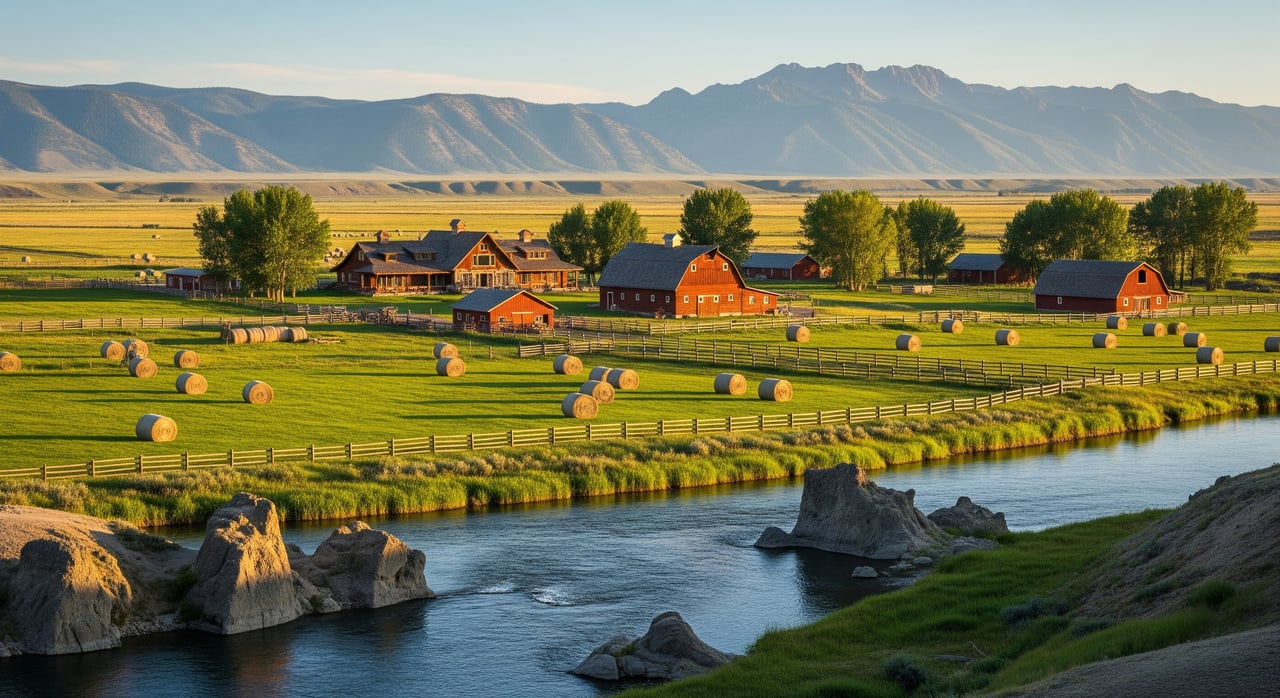
Montana Ranch Income Streams Near Livingston
December 11, 2025
December 11, 2025
What if your Livingston-area ranch could work harder for you year-round? Whether you run cows, cut hay, or simply steward open ground, you have more ways to generate income than you might think. The key is matching your land’s strengths with the right opportunities and understanding local rules. In this guide, you’ll learn the primary revenue paths ranch owners use around Livingston and Paradise Valley, what to consider before you start, and a practical plan to move from idea to results. Let’s dive in.
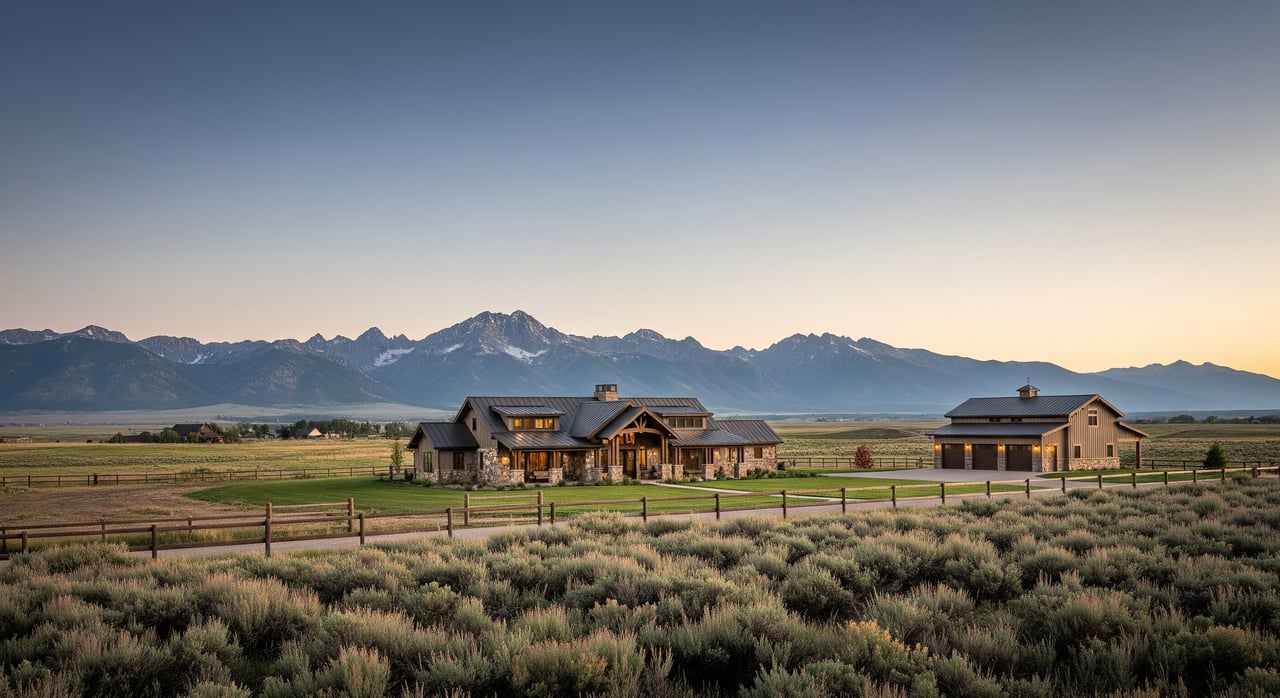
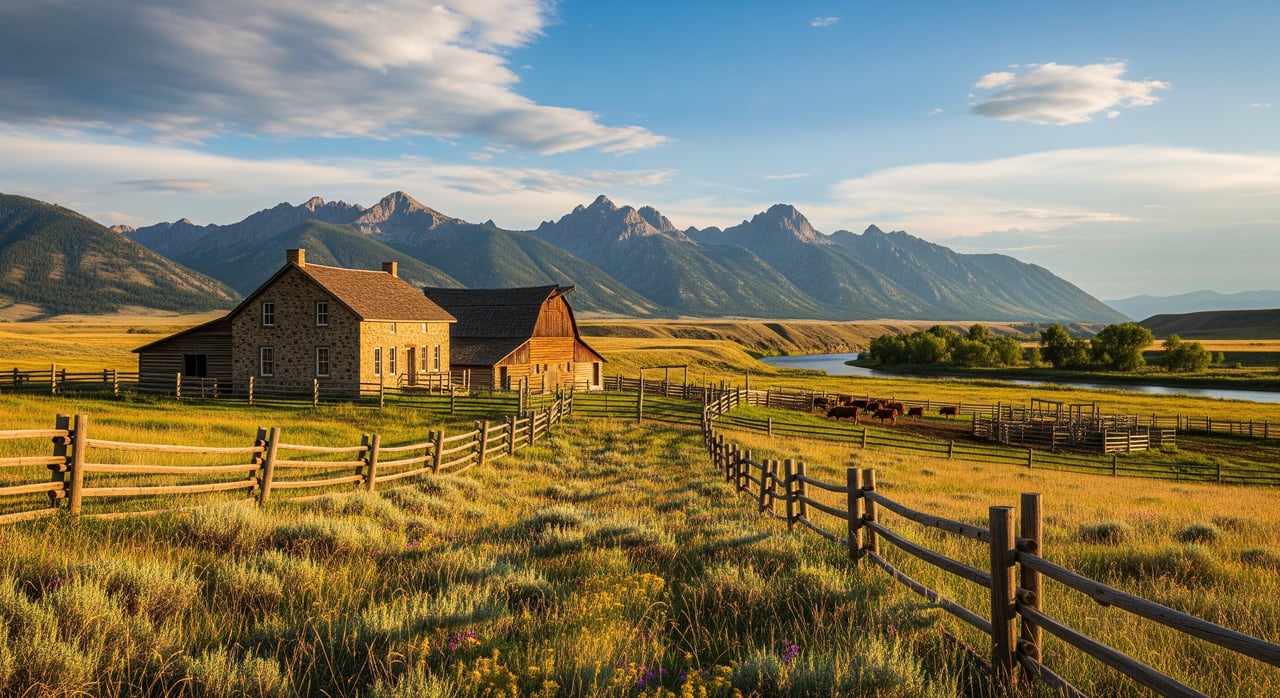
You ranch in a rare corner of Montana where working lands meet world-class recreation. Park County sits along the Yellowstone River with irrigated valley meadows, native range, timbered foothills, and high visitor demand tied to Yellowstone National Park. This mix supports traditional cattle and hay operations, plus recreation-driven revenue like hunting access and guest stays.
To benchmark production and prices, use county-level data from the USDA’s QuickStats database. For on-the-ground guidance, the local Montana State University system offers forage and range resources through MSU Extension.
Most Park County ranches still center on cow-calf herds. Revenue comes from selling calves in the fall, backgrounding feeders, or heifer development. Your carrying capacity depends on forage, irrigation, and winter feed. Market access is strong, with auction and trucking options in the region. Before expanding, confirm water rights, wintering costs, and handling facilities are up to your plan.
Key considerations:
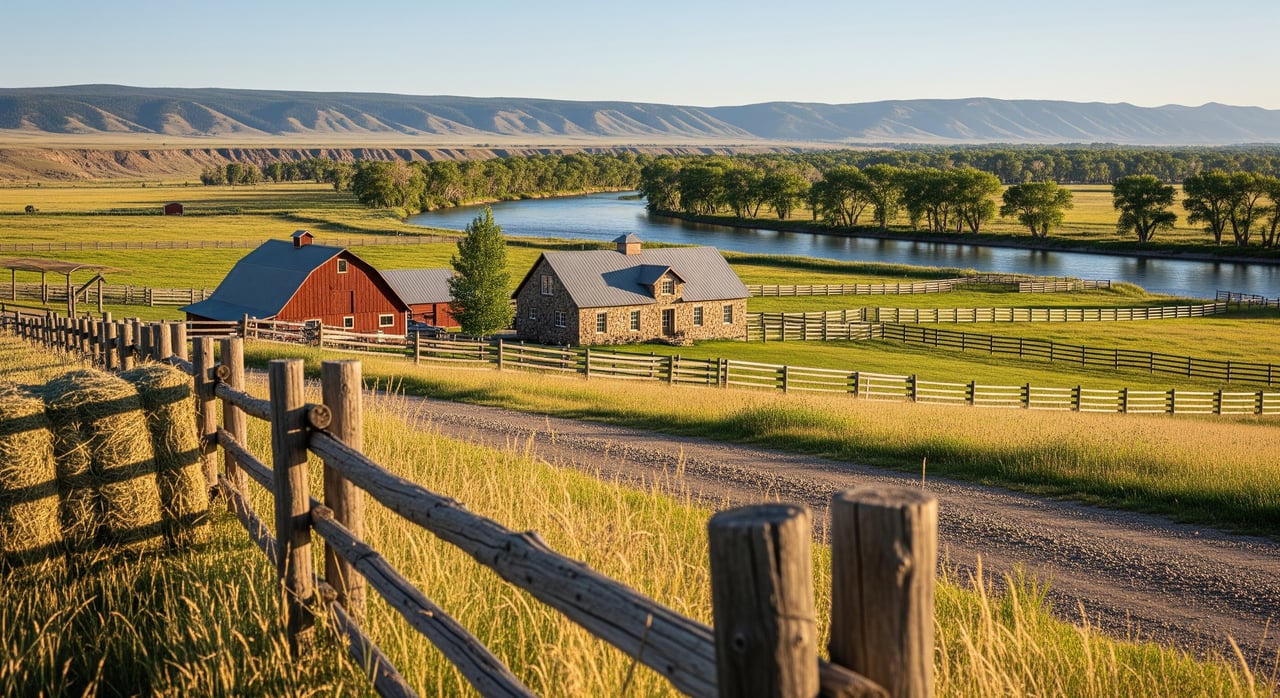
Irrigated meadows in valley bottoms often produce high-quality alfalfa or grass hay. You can sell hay directly, custom cut for neighbors, or retain hay to support your herd and free up pasture for leases. Lean on MSU Extension for hay quality standards and cutting schedules.
What to weigh:
If you have surplus pasture, leasing to neighboring operators can be a low-lift income source. Leases are commonly structured per-head per month, per acre, or based on Animal Unit Months. Set clear terms for biosecurity, water access, salt placement, and fence maintenance.
Pros and cautions:
Park County supports elk, mule deer, whitetails, and upland birds. Quality habitat near winter range or riparian corridors can command strong interest. You can lease access exclusively, sell day passes, or partner with a licensed outfitter. Outfitters and guides must be licensed through Montana Fish, Wildlife & Parks. Review current rules on the Montana FWP site.
What to plan for:
Day-use fishing access, wildlife photography, and guided ranch experiences can add seasonal revenue. Start small with limited access days, then expand as you refine logistics. Simple booking rules, parking plans, and a check-in system go a long way toward protecting your operation.
USDA programs can pay you to restore habitat, improve water, or enhance range health. The Conservation Reserve Program pays annual rent for eligible cropland set in conservation cover, typically administered by the Farm Service Agency. Explore options with the FSA and conservation practices through the Natural Resources Conservation Service’s EQIP and CSP programs.
Benefits and tradeoffs:
Permanent or term easements can produce a one-time payment in exchange for limiting subdivision and development. In Park County, easements are used to protect agricultural use, wildlife habitat, and scenic corridors. Learn more about easement models through The Montana Land Reliance.
Points to consider:
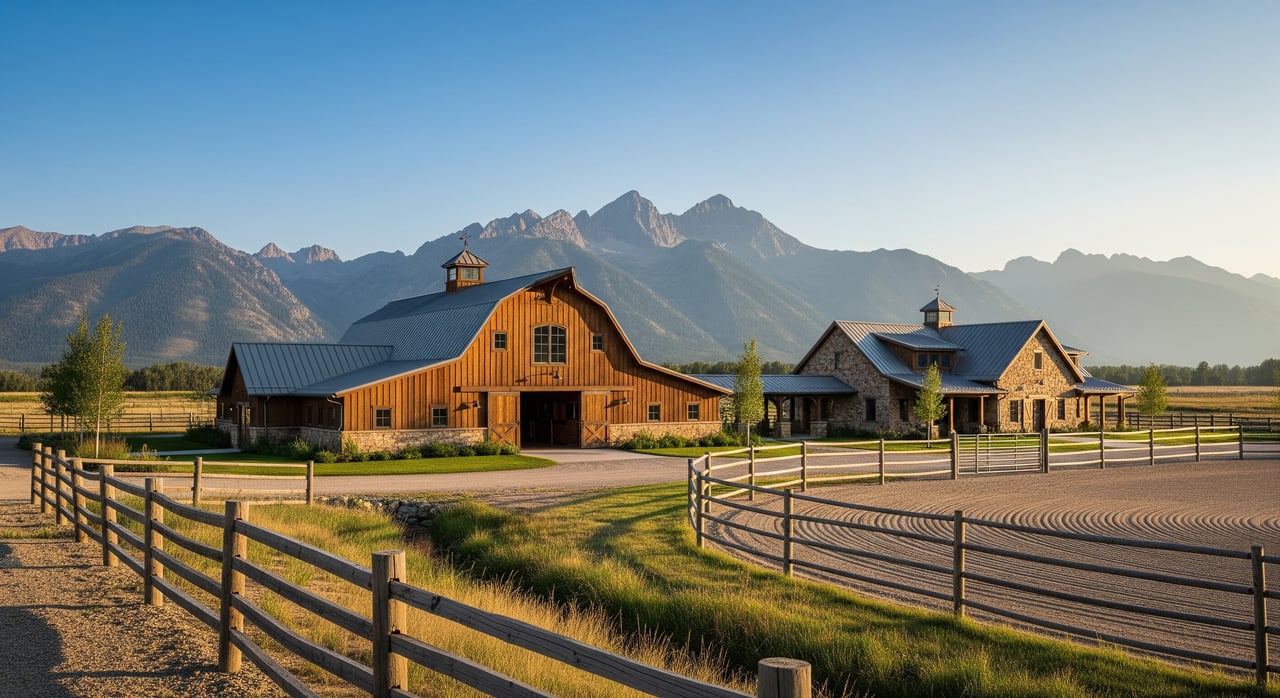
The Livingston and Paradise Valley corridor sees strong visitor demand tied to Yellowstone and nearby amenities. Guest ranch lodging, small-event venues, trail rides, or short-term rentals can perform well in peak seasons. Success depends on zoning, permits, water and septic capacity, parking, and staffing.
Before investing:
If you hold timbered acres at higher elevations, selective harvests, thinning, or post-and-pole sales can deliver periodic income. Access, haul distance, and mill markets drive feasibility. Stewardship and fuels-reduction projects may qualify for cost-share through NRCS or federal partners.
Mineral leasing or gravel extraction can bring royalties where geology and access align. On the renewable side, private solar can offset on-ranch power costs, with limited revenue potential depending on utility interconnection rules. Larger wind or solar projects require careful review of grid access, visual impacts, and permitting.
Before you sign:
Senior water rights are one of your most valuable assets. Income may come through leasing or changes in use, including participation in approved instream flow programs where available. All changes to use, place of use, or ownership require approval by the Montana Department of Natural Resources and Conservation. Review process details with the DNRC.
Considerations:
Emerging markets pay for carbon storage, habitat credits, or wetland mitigation. These programs often favor large, contiguous tracts with strong baseline data. Contracts can run long and require monitoring, so weigh permanence and data requirements alongside potential revenue.
Montana scenery draws film and photo productions that pay location fees. Some owners lease sites for communications infrastructure. Artist retreats or workshops can fill shoulder seasons if your facilities and access support them. These uses are episodic, so negotiate clear terms and insurance coverage.
Montana’s agricultural property tax classification requires bona fide agricultural production. Documentation of agricultural use is important for keeping ag valuation. For classification rules and definitions, consult the Montana Department of Revenue, and speak directly with the Park County Assessor for current local criteria.
Additional guardrails:
Use this simple framework to evaluate and launch new revenue on your ranch.
Documented, transferable income streams can enhance marketability and value for working-ranch buyers. At the same time, long-term encumbrances like conservation easements change your buyer pool and must be presented clearly. Water rights, grazing relationships, and well-run recreation programs all contribute to the story a buyer evaluates.
If you are selling, compile a clean package: production history, lease copies, water right abstracts, maps, and a summary of permits. If you are buying, assess which income streams are durable, which are personal to the current owner, and where you can add value after closing.
Ready to explore what your Park County ranch can earn, or position it for a premium sale outcome? Start a conversation with Stacie Wells for discreet guidance, valuation insight, and a clear plan that fits your goals.
Stay up to date on the latest real estate trends.
Get assistance in determining current property value, crafting a competitive offer, writing and negotiating a contract, and much more. Contact Stacie today to discuss all your real estate needs!
Let's Get Started