Relocating to Red Lodge: Zoning and Ranchette Sizes
January 1, 2026
January 1, 2026
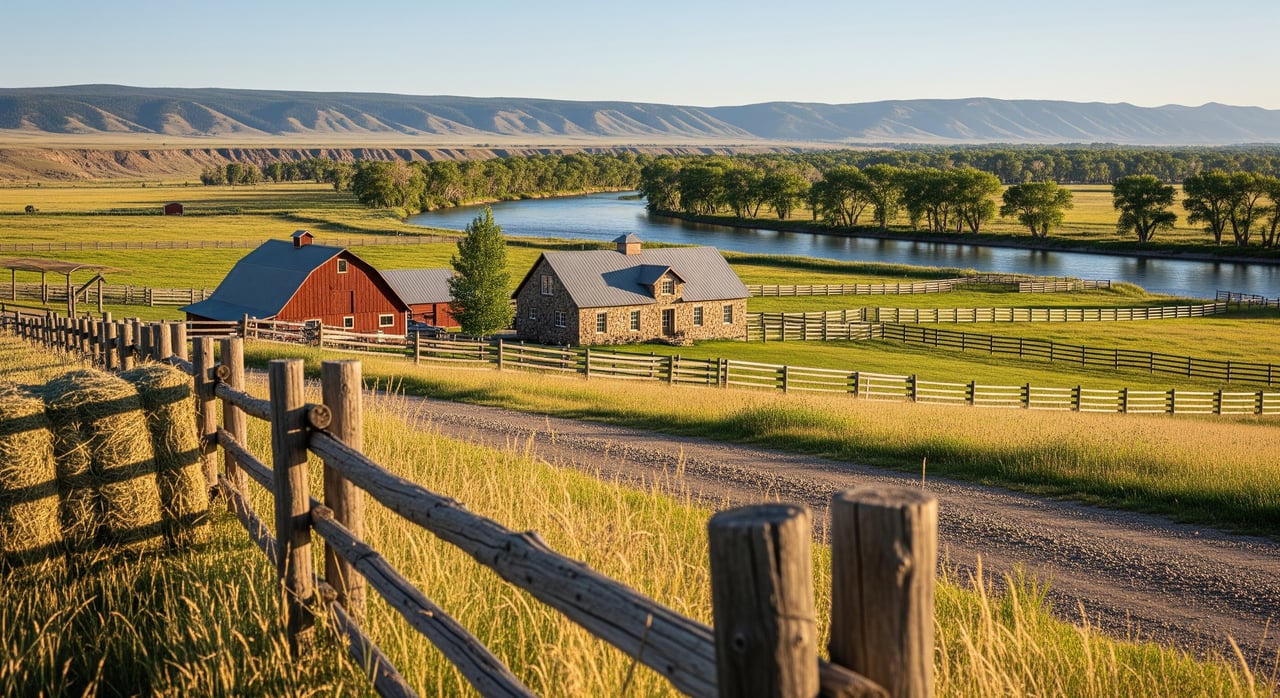
Thinking about a small-acreage move near the Beartooths? If you are eyeing a ranchette around Red Lodge, the biggest surprises often come from zoning rules, utilities, and site constraints rather than the view. It is a lot to navigate when you just want space, privacy, and room for a few animals.
This guide breaks down how jurisdiction, lot-size rules, water and septic, road access, and hazards shape what you can build and where. You will leave with a clear checklist, realistic size ranges, and the offices to contact to confirm the details for your parcel. Let’s dive in.
Before you look at acreage, identify who regulates the property. In the Red Lodge area, jurisdiction sets the rules.
For site constraints and hazards, consult FEMA flood maps and the USDA NRCS soil data. These sources help you understand septic feasibility, floodplain limits, and buildable area early.
Zoning districts define allowed uses, setbacks, and minimum lot sizes. Minimums often change with access to public utilities.
Minimum lot size can be smaller when a property connects to public sewer and water. Without those services, each parcel must support a well and a septic system, which often requires more land.
If you plan to live close to Red Lodge’s amenities, expect smaller lots that function well on public water and sewer. Outbuilding size, height, and placement are regulated, and livestock is often limited or prohibited in town districts. Always verify your exact zone and its permitted uses before you assume any ranchette activity.
In rural county zones, you will find larger lots and more flexibility for small livestock, shops, or barns. Some districts rely on density rules, such as one home per a specified acreage. Without public utilities, septic feasibility and well access become the key drivers of a practical minimum lot size.
If you want to split land or create additional lots, state subdivision statutes and Carbon County subdivision regulations will determine the process. Some exemptions exist, such as certain boundary adjustments or family transfers, but you still need county review to confirm they apply.
Many ranchette neighborhoods have covenants or HOA rules. Covenants can be stricter than zoning, limiting livestock, setting architectural standards, or controlling building size and materials. Ask for the recorded plat, deed, and CCRs early in your diligence.
Outside town service areas, you will likely rely on a private well, a shared well, or hauled water. In Montana, wells must follow state water-rights rules and well registration. In some locations, existing water rights are limited, and multi-household use or meaningful livestock demand may require additional rights.
Do the following as part of your review:
Septic systems depend on soils, depth to groundwater or bedrock, slope, and available drainfield area. County environmental health evaluates sites and issues permits. Montana DEQ’s wastewater program sets the technical standards that guide these decisions.
On some foothill parcels with shallow soils or rock, a conventional system will not work. You may need an engineered system, which adds time and cost. This is why a 1 to 2 acre parcel can be legal on paper but unworkable on the ground if it cannot support a compliant drainfield and a backup area.
Rural ranchettes often use private roads or shared easements. Confirm who maintains the road and if winter access is reliable. County acceptance for maintenance is not automatic. If a road is private, the owner, an HOA, or a road district usually handles snow removal and upkeep.
Driveway length, grade, and turning radii affect both construction costs and emergency access. Mountain weather and snowpack can shorten your building season and complicate logistics.
Electric service is common across the region, but natural gas is rare in rural Montana. Broadband and cell coverage vary by elevation and provider. Extending power or fiber to a remote parcel can be a major cost, so ask for estimates early and verify any promised utility stubs.
The Red Lodge area sits in the foothills of the Beartooths. Parcels can have steep slopes, rock outcrops, and shallow soils that drive up driveway and foundation costs. Soil data and on-site visits with your builder or engineer will help pinpoint a viable building pad, drainfield location, and access route.
Wildfire risk is part of forest-edge living. Local fire districts and state forestry guidance encourage defensible space, hardening your home, and fuel reduction. Insurance carriers may require mitigation steps depending on your location and site conditions.
Floodplains and wetlands restrict building locations or require elevation and mitigation. Use flood mapping and site-specific verification to confirm what is possible before you submit plans.
There is no single statewide rule for ranchette size. Real-world constraints in Carbon County often drive practical minimums.
In and around Red Lodge, buyers often target 5 to 20 acres for privacy and views without the overhead of a large ranch. Closer to town, supply of small acreage is tighter, and parcels with easier access or utility proximity tend to command a premium.
Here are three common scenarios that help right-size your search:
Expect a defined sequence for rural builds:
Timing depends on season and contractor schedules. Site evaluations can take weeks. Engineered septic designs add lead time. Well drilling slots can be limited. If you need subdivision or a variance, plan for a public review process that can last several months.
Use this list as a starting point for due diligence:
Buying acreage near Red Lodge is equal parts dream and due diligence. When you line up jurisdiction, septic and well feasibility, road access, and hazards early, your build goes smoother and your land fits your lifestyle.
If you want a seasoned, discreet advisor to help you select the right parcel or prepare your Red Lodge ranchette for market, connect with Stacie Wells. You will get grounded guidance on zoning, water and rights, and a clear plan for premium outcomes.
Stay up to date on the latest real estate trends.
Get assistance in determining current property value, crafting a competitive offer, writing and negotiating a contract, and much more. Contact Stacie today to discuss all your real estate needs!
Let's Get Started