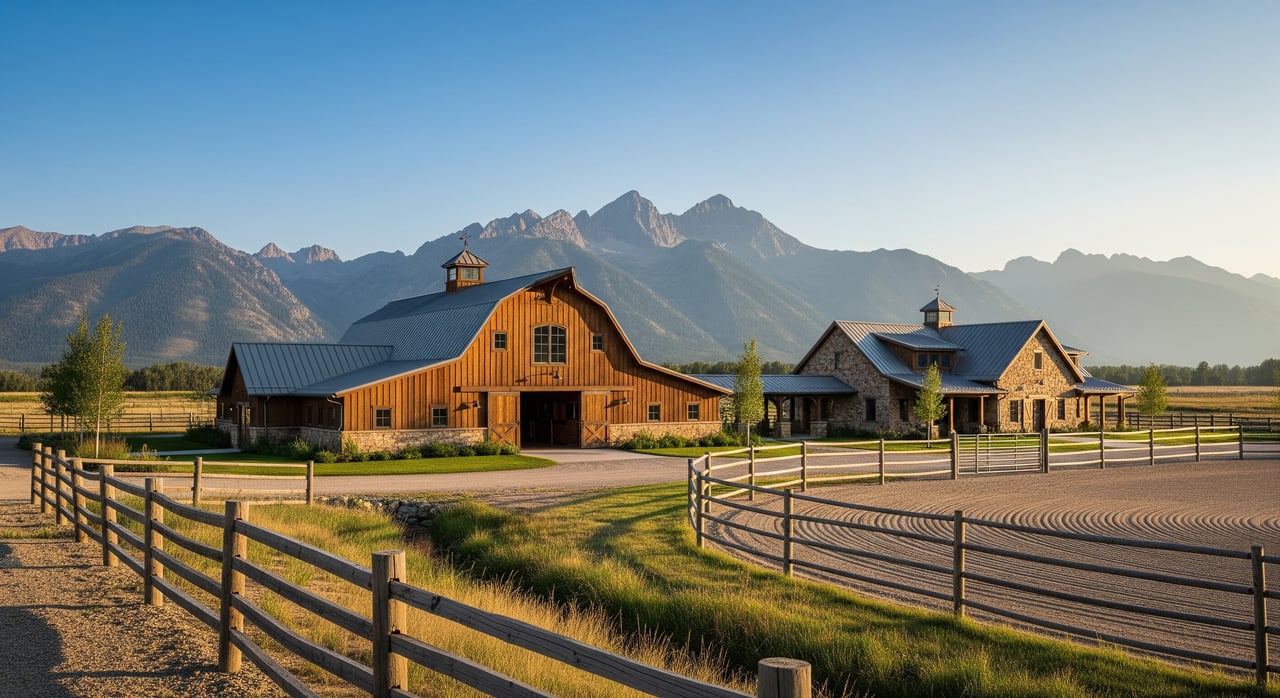
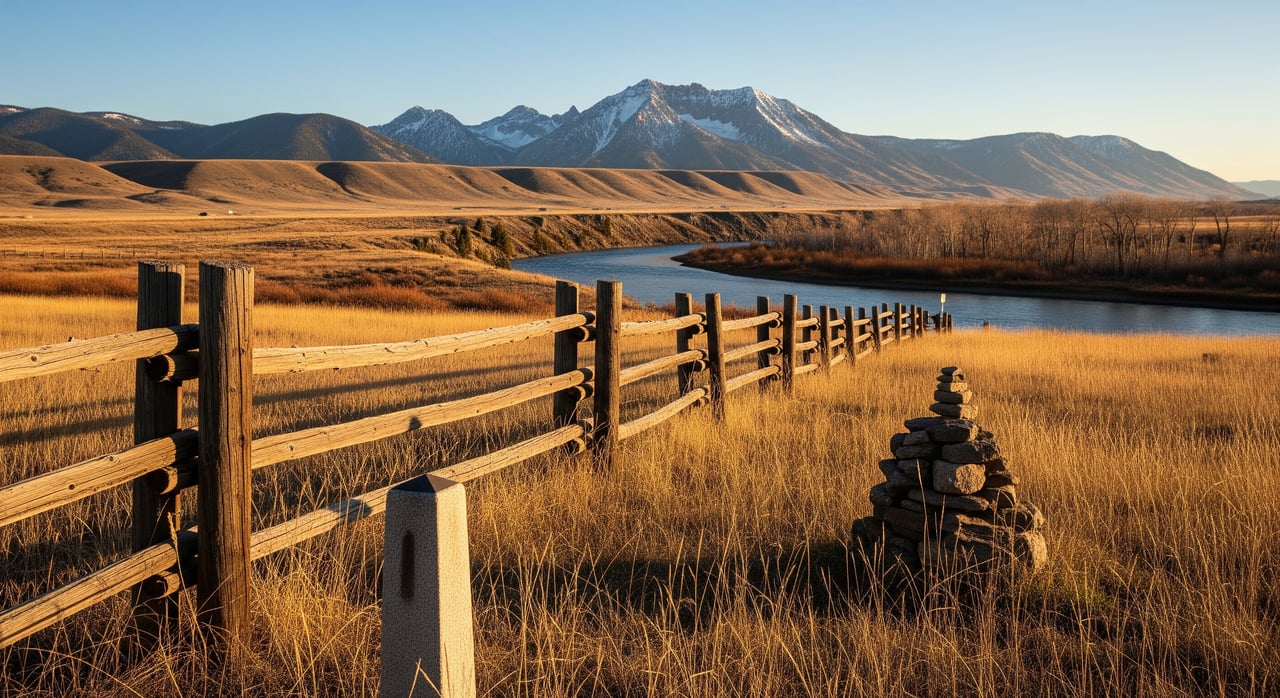
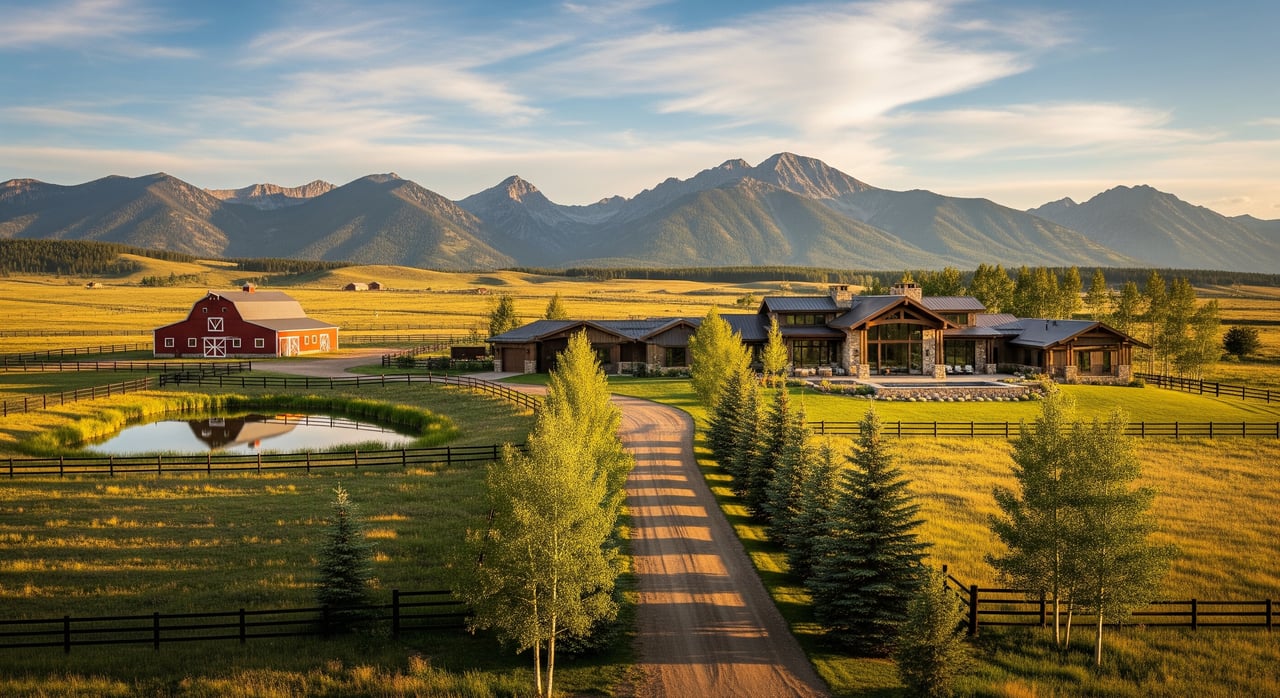
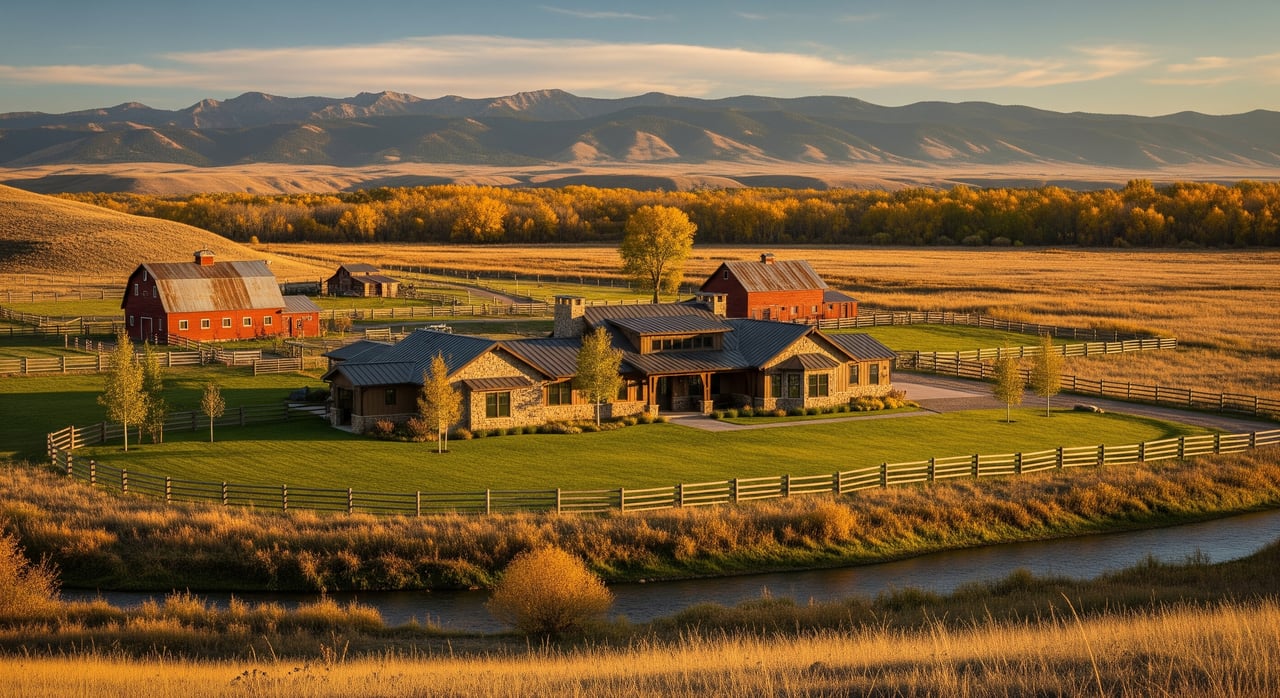
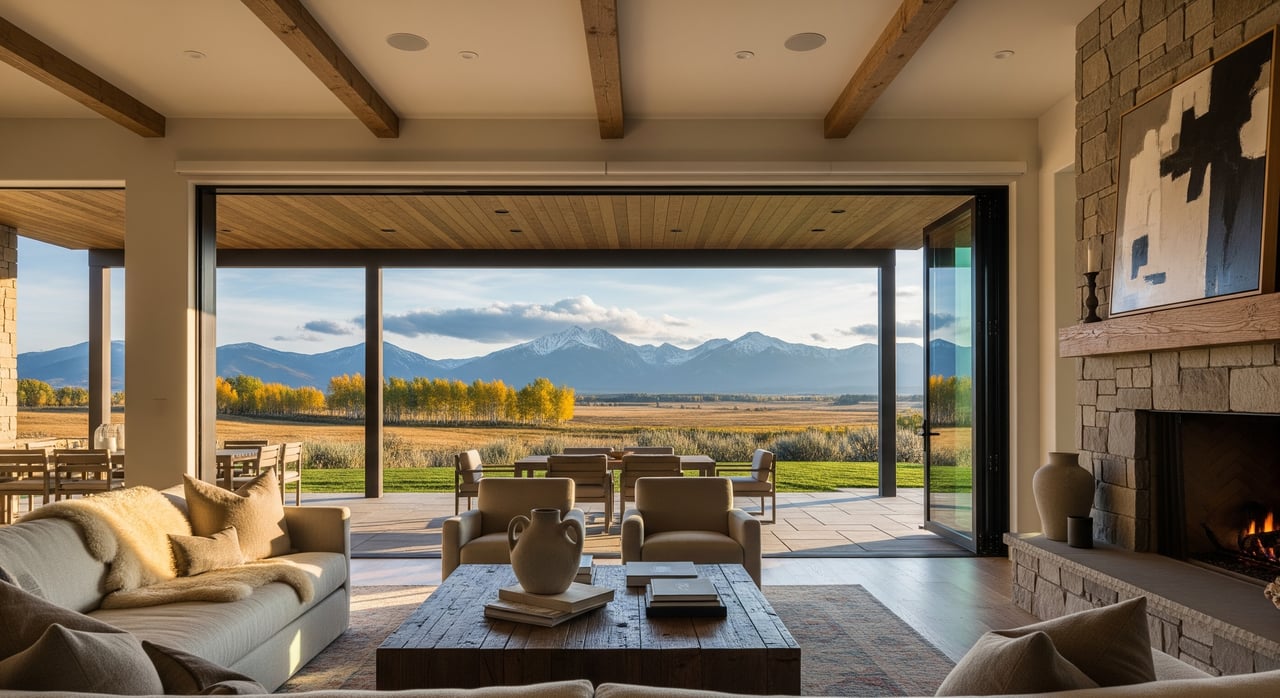
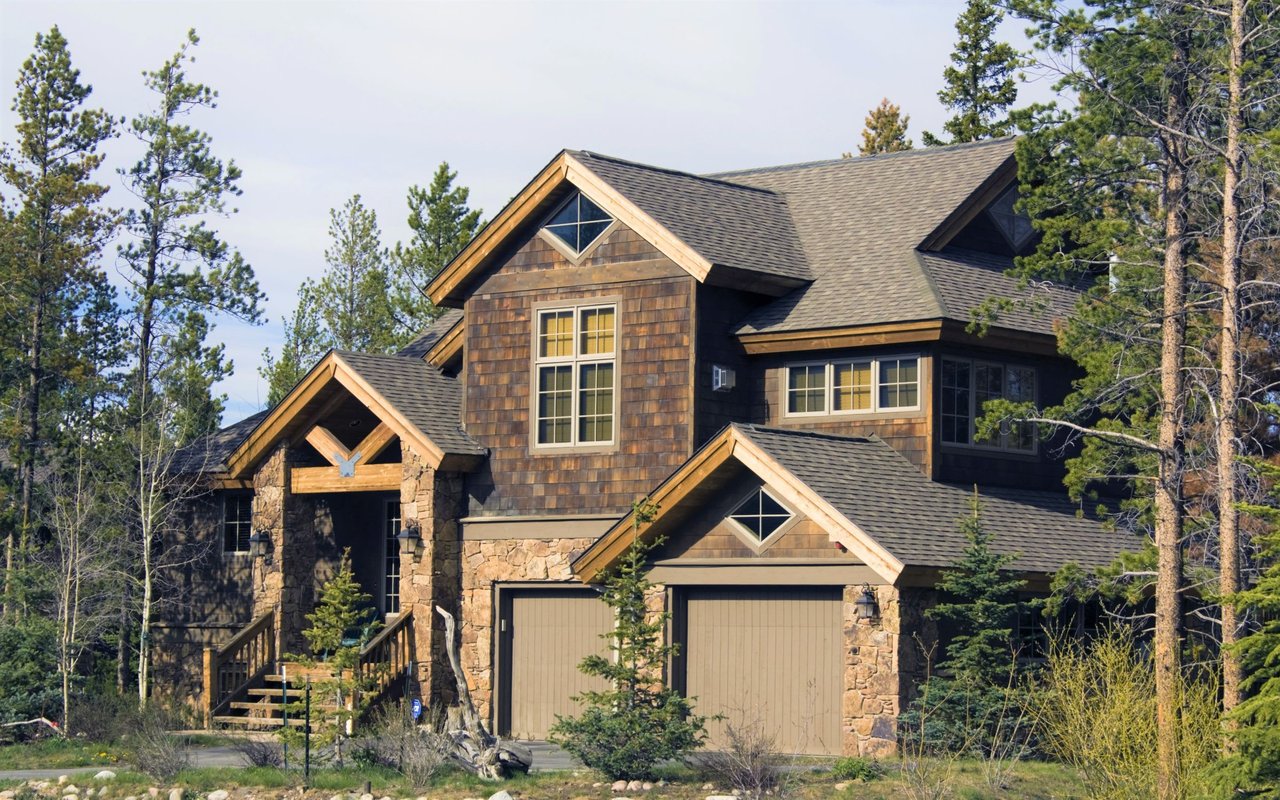
Love the idea of riding out your back gate toward the Beartooths? If you are exploring horse property around Red Lodge, you are looking at one of Montana’s most scenic equestrian settings, but also one with real mountain conditions. You want the lifestyle, yet you also want your land, facilities, and logistics to work year round.
In this guide, you will learn what to check before you buy: climate and terrain realities, trail and public land access, zoning and water rights, facility must-haves, and the services that keep a horse place running in winter. You will also get a clear due diligence checklist you can use with any property. Let’s dive in.
Why Red Lodge appeals to riders
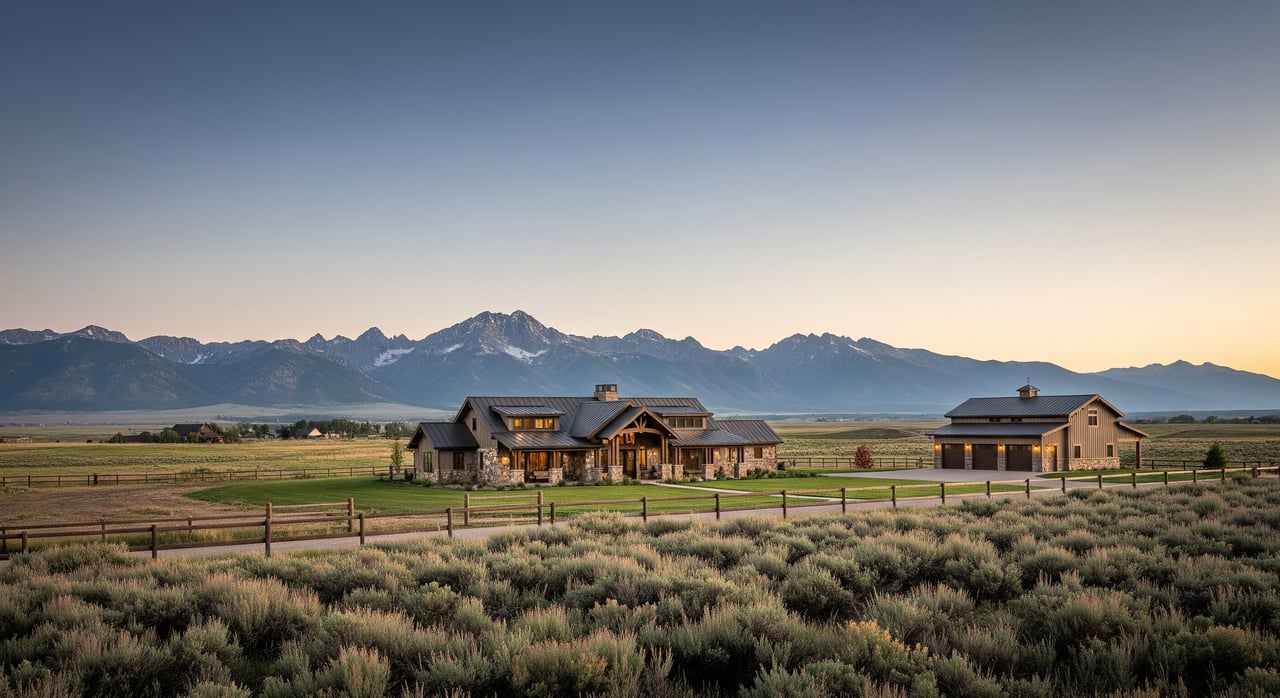
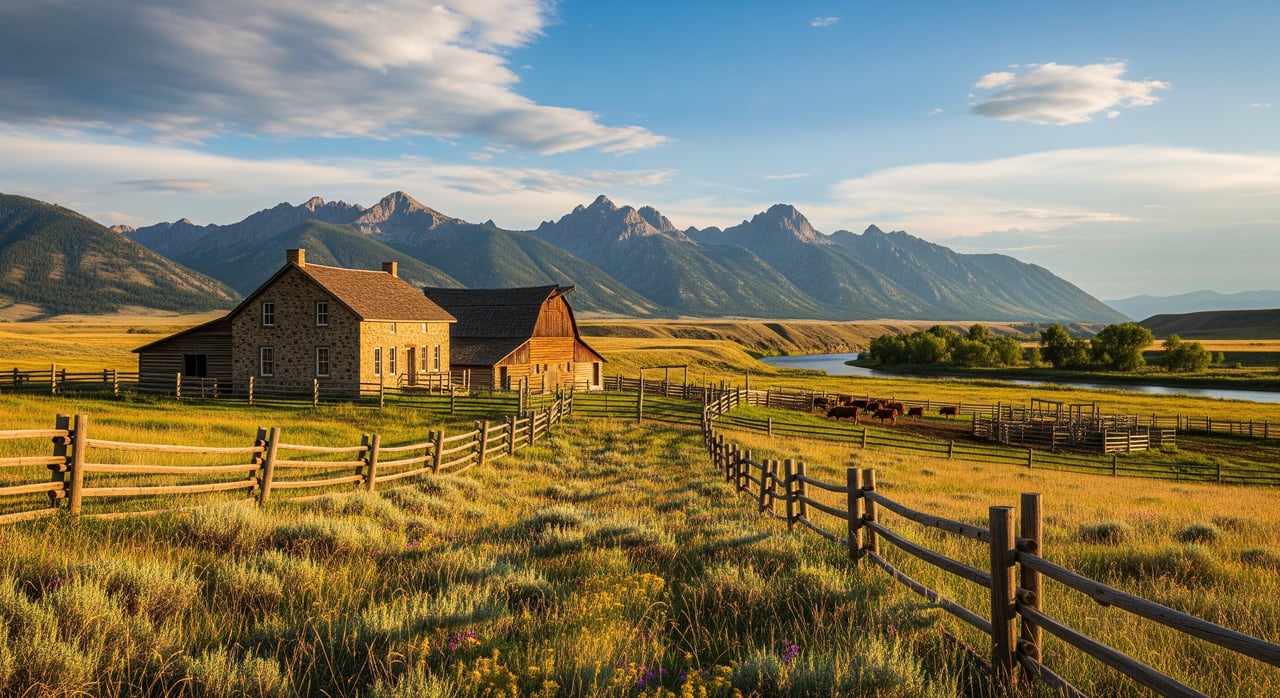
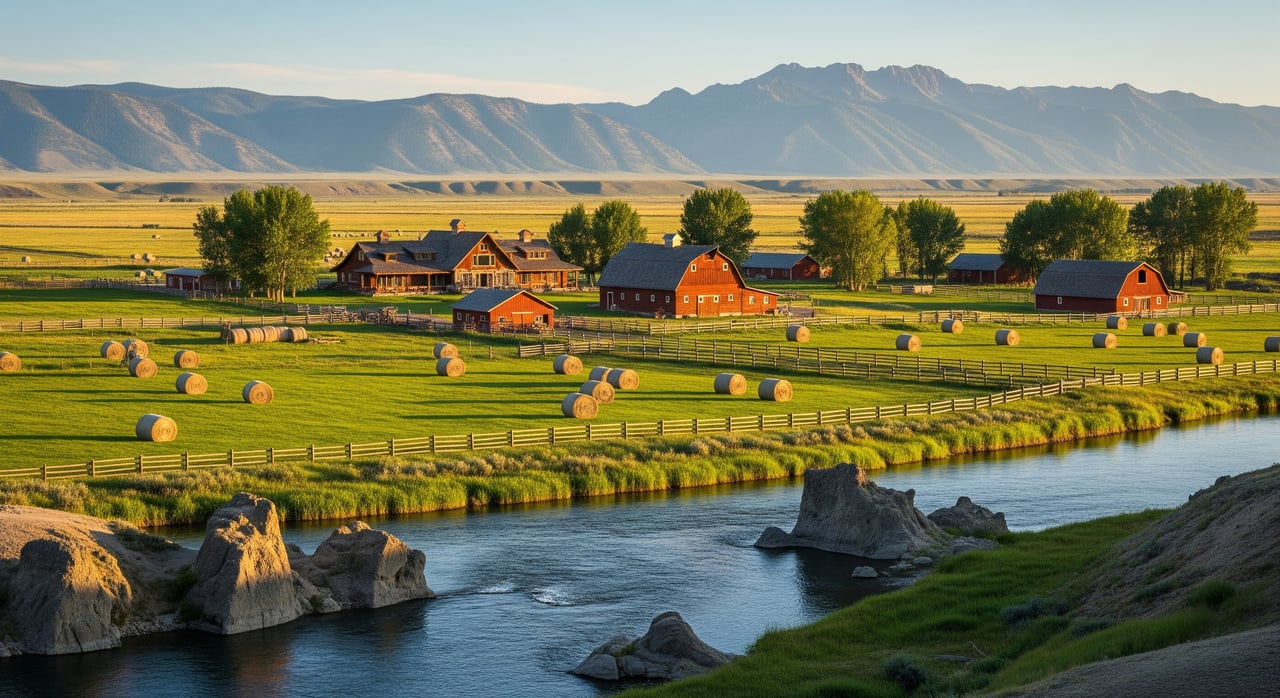
Red Lodge sits in the foothills of the Beartooth Mountains, near large blocks of public land where horseback riding is a common use on designated trails. Many buyers come for that blend: small or mid-sized acreage at home, plus access to National Forest trail systems for longer rides.
Local riding culture is active, with events, trail groups, and clinics shaping a community that values time in the saddle. If organized arenas or group rides are important to you, verify current activity levels for clubs or groups when you plan your move. Availability can change year to year.
Public lands are a gift, but use rules vary by district and season. Trail closures, fire restrictions, and permit needs can shift. If you expect to use public grazing or rely on Forest Service allotments, understand that those are managed by permits and are separate from private land rights.
Climate and terrain realities
At this elevation, summers are cool and winters are cold and snowy. The growing season is short. For horse owners, that means planning for winter care, snow management, and often buying hay from regional suppliers or lower-elevation producers.
Seasonal roads can affect access. Some mountain roads and trailheads have seasonal closures. If you depend on deliveries, vet access, or trailer travel in winter, confirm year-round access routes and how your road is maintained.
Soils can be shallow or rocky in places, and frost heave is a factor. Pasture carrying capacity may be lower than in valley-bottom or irrigated areas. If you plan to build arenas or paddocks, footing and drainage design will be key.
Property search checklist in Carbon County
Use this section as your on-the-ground filter when touring properties.
Zoning and allowed uses
- Confirm county zoning for the parcel. Carbon County Planning and Zoning can outline animal allowances, setbacks, and whether boarding, training, or lessons are permitted as a home-based or commercial use.
- If you plan any commercial activity, ask about parking, signage, septic capacity for clients, and any special permits required.
- Get answers in writing when possible so you can rely on them during inspections and financing.
Water rights and wells
- Montana follows prior appropriation. Irrigation or surface-water rights may not automatically transfer with a sale.
- Verify the water source. For wells, request yield tests, well log, pump age, and depth. For shared wells, review recorded agreements.
- If you want irrigated pasture or hay production, confirm legal irrigation rights, diversion points, and delivery systems with the state water authority.
Soils and pasture productivity
- Order or review a soil survey to understand soil depth, drainage, and ponding risk. In high-elevation areas, pasture growth may be limited.
- Plan for rotational grazing and consider how many acres you truly need per horse based on your forage goals.
- For arenas and high-traffic paddocks, evaluate subgrade compaction and drainage so footing holds up through freeze-thaw.
Barns and arenas
- Inspect stall sizing, ventilation, stall fronts and hardware, and aisle widths. Look for safe lighting, outlets, and frost-free spigots.
- Review roof age, snow load considerations, and wind exposure around the barn.
- Assess wash racks and water handling so runoff does not mix with manure. In this climate, heated or indoor spaces can extend your riding season.
Fencing and layout
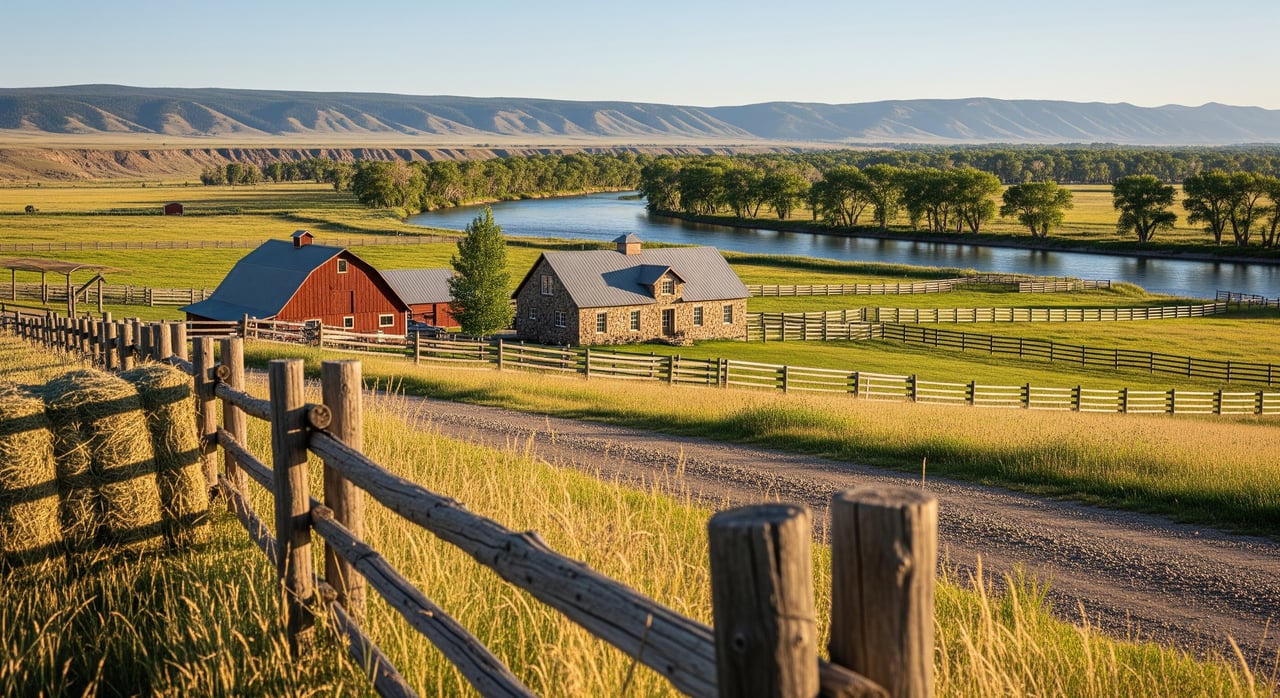
- Common options include post-and-rail, welded wire with a top rail, or high-tensile and electric. Evaluate visibility, maintenance needs, and how fences handle snow and wildlife pressure.
- Check gate placement, lane widths for tractors, and how cross-fencing supports rotational grazing.
- Inspect corrals, round pens, and any footing materials for compaction and drainage.
Manure and runoff
- Identify a manure stacking or compost area with room for equipment access and cover when needed.
- Keep manure and runoff away from wells, streams, and drainfields. Ask about any local rules for nutrient management if water features are nearby.
- Plan for snowmelt management. Spring thaw can move nutrients if piles are not contained.
Septic and utilities
- Locate the septic tank and drainfield. Verify permit history and inspection status. Keep paddocks and manure storage well away from the drainfield area.
- Confirm power reliability for automatic waterers, heated spaces, and arena lighting. Many rural owners keep a backup generator for outages.
- Map utility easements that could restrict fencing or facility placement.
Wildfire and wildlife
- Mountain foothills can face wildfire risk. Create defensible space around structures and understand local fire district guidance.
- Wildlife may pass through some areas. Night corrals, secure feed storage, and sturdy fencing can reduce conflicts and help protect your horses.
Services and supply chain
Veterinary and farrier coverage
- Confirm equine veterinarians and farriers who serve your address and their emergency response protocols. In winter, travel delays can occur.
- For advanced or surgical care, identify the nearest large-animal hospital and typical transport times.
Hay and feed logistics
- With a short growing season, many owners buy hay regionally. Ask for recent vendor contacts and price ranges to estimate annual costs.
- Check delivery access for semis or large trailers in winter and confirm your storage capacity, airflow, and protection from moisture.
Contractors and maintenance
- Line up barn builders, fence installers, well and pump service, septic contractors, snow removal, and arena-footing specialists who understand equine needs.
- Ask for references tied to horse facilities so details like gate placement, frost depth, and footing bases are not overlooked.
Emergency response and transport
- Map out human and equine emergency options, including ambulance response zones and winter route alternatives.
- Practice loading and route planning so you are ready before you need to be.
Permits, taxes, and insurance
Property tax classification
- Montana’s agricultural classifications can reduce taxes if your land meets production standards. Requirements and thresholds vary.
- If you plan to claim an agricultural classification for hay or livestock, verify criteria with the County Assessor before you buy.
Building and commercial permits
- New barns, arenas, and utility work generally require permits. If you plan to run boarding or lessons, ask about business licensing, parking, signage, and inspections.
- Confirm septic capacity for any increase in users, such as clients or staff.
Insurance and liability
- Standard homeowners policies often exclude commercial equine activities. If you plan to board, train, or host events, discuss equine liability and business coverage with an insurer familiar with horse properties.
- Mortality and major medical policies for horses are available but are separate from property coverage.
Step-by-step due diligence
Use this sequence to keep your purchase on track.
- Verify zoning and use allowances
- Request a written summary from county planning of permitted animal numbers and commercial rules for the parcel.
- Confirm water rights and supply
- Gather well logs, recent water tests, pump records, and any irrigation or ditch-right documents.
- Review soils and drainage
- Order a soil survey. Walk the property after a weather event to see natural drainage and potential ponding areas.
- Inspect facilities and utilities
- Evaluate barns, stalls, roofs, footing, and drainage. Confirm electrical safety and water supply to all frost points.
- Evaluate septic
- Hire a certified inspector, locate the drainfield, and compare placement against paddocks and manure storage.
- Run a title and easement review
- Check for shared driveways, utility easements, ditch company easements, and any access agreements that affect fencing or pasture layout.
- Price the hay plan
- Ask the seller for recent hay sources and timing. Estimate winter needs based on your head count and storage capacity.
- Build your service team
- Confirm veterinarians, farriers, feed stores, fence installers, and snow-removal providers who can reach you in winter.
- Assess wildfire readiness
- Contact the local fire district about defensible-space priorities and water access for your address.
- Align permits and insurance
- For any commercial plans, meet with county planning about licensing and building codes. Review insurance exclusions and add needed coverage.
- Validate riding access
- Scout nearby trailheads, confirm seasonal closures, and understand how you will trailer in winter if needed.
Budget planning for mountain horse properties
- Winter hay and bedding: Price season-long supply and delivery.
- Snow management: Plowing, sand, and equipment wear.
- Footing and drainage: Arena base, fabric, and top material; paddock rock or screenings.
- Fencing and gates: Repairs, visibility upgrades, and cross-fencing.
- Utilities and backup power: Heat, waterers, lighting, and generator fuel.
- Insurance and permits: Commercial upgrades, if any, and inspections.
How a local expert adds value
Buying in the Red Lodge area is part ranch sense, part mountain logistics, and part regulatory clarity. You want someone who understands rangeland, water rights, and the realities of snow, wind, and wildlife, and who can also provide a refined, confidential buying experience.
With deep Montana land expertise and a concierge approach, you get clear advice on soils, water, and facility design, plus access to vetted local providers who know equine properties. You also get premium-level service that respects privacy while positioning you to act quickly when the right acreage comes to market.
Ready to explore the best equestrian properties near Red Lodge with a trusted guide? Connect with Stacie Wells to start a focused, informed search.
FAQs
What climate factors matter for Red Lodge horse properties?
- Expect cool summers, cold snowy winters, and a short growing season, which affects pasture productivity, hay plans, and winter access.
How do water rights work when buying in Montana?
- Montana uses prior appropriation. Irrigation or surface-water rights may not automatically convey, so verify all rights and well details before closing.
What should I ask about zoning in Carbon County?
- Confirm allowed animal numbers, setbacks, and whether boarding or lessons are permitted or need special permits. Get answers in writing.
Do I need an indoor arena in this area?
- Not always, but many owners value covered or indoor space to ride during winter and shoulder seasons when footing is frozen or trails are closed.
How can I plan for manure management near paddocks and wells?
- Designate a contained stacking or compost area away from wells and drainfields, manage runoff, and follow local nutrient-management guidance.
What insurance should I consider for a horse property?
- Standard homeowners often excludes commercial equine activities. If boarding or training, ask about equine liability and business coverage options.