Bozeman Ranchette Market Trends For Buyers And Sellers
February 5, 2026
February 5, 2026
Are you watching Bozeman’s ranchette market and wondering if now is the right time to buy or sell? You are not alone. With steady in-migration and limited small-acreage supply, it can feel competitive and complex. In this guide, you will learn what is driving demand, which features create value, and how to navigate due diligence and financing with confidence. Let’s dive in.
Bozeman and Gallatin County have seen sustained growth for more than a decade. Buyers are drawn by Montana State University, access to world-class recreation, a growing medical and tech service base, and flexible remote work. Many buyers want rural living with a 30 to 60 minute connection to Bozeman amenities, which keeps demand strong for small-acreage properties.
Supply is limited close to town. Prior subdivision, conservation easements, and large ranch holdings constrain new inventory. When new tracts do come to market, they often result from subdividing larger parcels, which requires approvals and infrastructure.
Market momentum can vary year to year. After rapid appreciation through 2021, many mountain markets moderated in 2022 to 2024. Well-positioned ranchettes with irrigation, strong views, and easy access often outperform the broader rural segment.
Price per acre can swing widely. The biggest premium drivers are irrigated ground, senior or reliable water rights, proximity to Bozeman, and usable topography. Ready-to-build sites with good wells, septic feasibility, and paved access are especially competitive.
Cash and high-net-worth buyers are common. That can shorten time on market for quality listings compared with raw or hard-to-access land. Investor buyers also participate where there is future subdivision potential or expected appreciation.
Subdivision approvals and water availability affect new supply. Road standards, utilities, and drainage can all influence whether a property is viable for further division.
Water is central to value in the Gallatin Valley. Irrigated acres are often valued higher than dryland acres. Senior rights, adjudicated rights, and ditch company shares can all play a role in pricing and buyer confidence.
If you are selling, assemble well logs, any water-rights documentation, and irrigation infrastructure details. If you are buying, plan a water-rights title review and confirm well location, depth, and yield early.
Drive time to Bozeman, the airport, and services is a major factor. Parcels closer in, often within 10 to 30 minutes, tend to command a premium. Year-round, reliable road access and clarity on maintenance responsibilities matter for lenders and buyers.
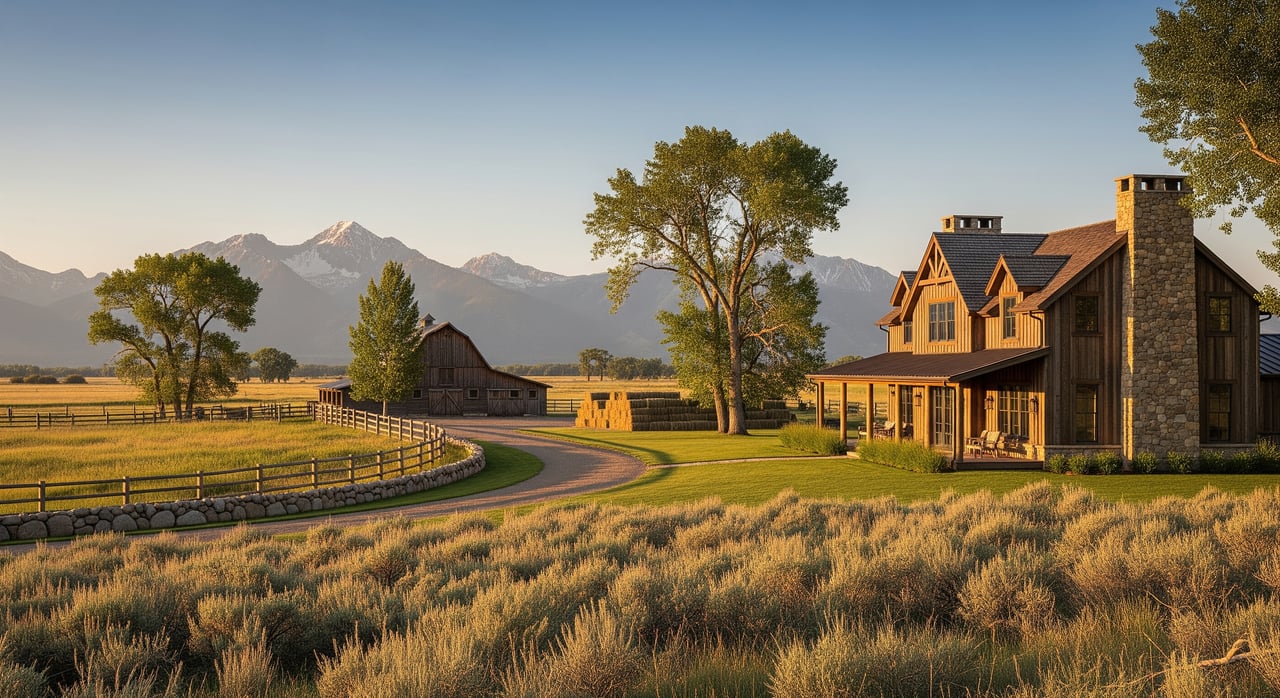
Topography and soils determine how much of your acreage is truly usable. Buyers prioritize level or gently sloping ground, healthy pasture or hay base, and soils that support septic permits. Quality fencing, thoughtful corrals, and well-kept barns can lift value and reduce buyer uncertainty.
Covenants, zoning, and conservation easements all shape what is possible on a parcel. Existing subdivision approvals, the ability to add a guest home, or the presence of a building envelope can affect your buyer pool. Conservation easements reduce development rights and narrow future uses, which changes valuation and marketing strategy.
Conventional lenders do finance rural properties, but terms can vary with property mix and comparables. If the collateral is primarily land with minimal residential improvement, lenders may adjust terms or require more equity. Appraisals can be challenging due to limited ranchette comps, so buyers and sellers should prepare documentation that supports value.
USDA Rural Development loans and Farm Service Agency programs can be options for eligible properties farther from urban centers. Eligibility and limits vary by property type and buyer profile. Cash buyers remain a significant share of this segment, which can speed up timelines for well-positioned listings.
Wildfire risk is a growing factor across the West. Insurance availability and premiums depend on location, fuel loads, and mitigation. Defensible space, ember-resistant features, and road access can all influence coverage and cost.
If any buildings lie in a mapped floodplain, a lender may require flood insurance. Confirm structure locations relative to flood zones, drainage patterns, and planned improvements before you finalize your offer.
Closer-in acreage tends to command higher prices for convenience to services and commuter access. Farther out, you can often find larger acreage with more privacy or operational potential at a lower per-acre cost. Your best choice depends on how you will use the land, your daily travel needs, and whether irrigated ground is a priority.
If schools and services matter to you, consider drive times and road conditions in all seasons. Clarify snow removal and maintenance responsibilities, and test connectivity if you rely on remote work.
Conservation easements permanently limit development, which can be attractive to buyers who value long-term open space. Easements can create tax benefits under certain circumstances, though they also reduce marketable uses and often narrow the future buyer pool. If you are considering an easement or purchasing encumbered land, consult a qualified advisor to align the property’s use with your long-term goals.
The Bozeman ranchette market is not one-size-fits-all. Values are shaped first by water, access, and proximity to town, then by usable acreage, improvements, and entitlements. With limited close-in supply and steady lifestyle demand, well-prepared buyers and sellers are the ones who succeed.
If you want a clear plan tailored to your acreage and goals, connect with a specialist who understands ranch operations, water rights, and premium presentation. For discreet, concierge-level guidance on buying or selling a ranchette in Gallatin County, reach out to Stacie Wells.
Stay up to date on the latest real estate trends.

Get assistance in determining current property value, crafting a competitive offer, writing and negotiating a contract, and much more. Contact Stacie today to discuss all your real estate needs!
Let's Get Started