Your Guide to Finding Off-Market Ranches in Big Sky
January 15, 2026
January 15, 2026
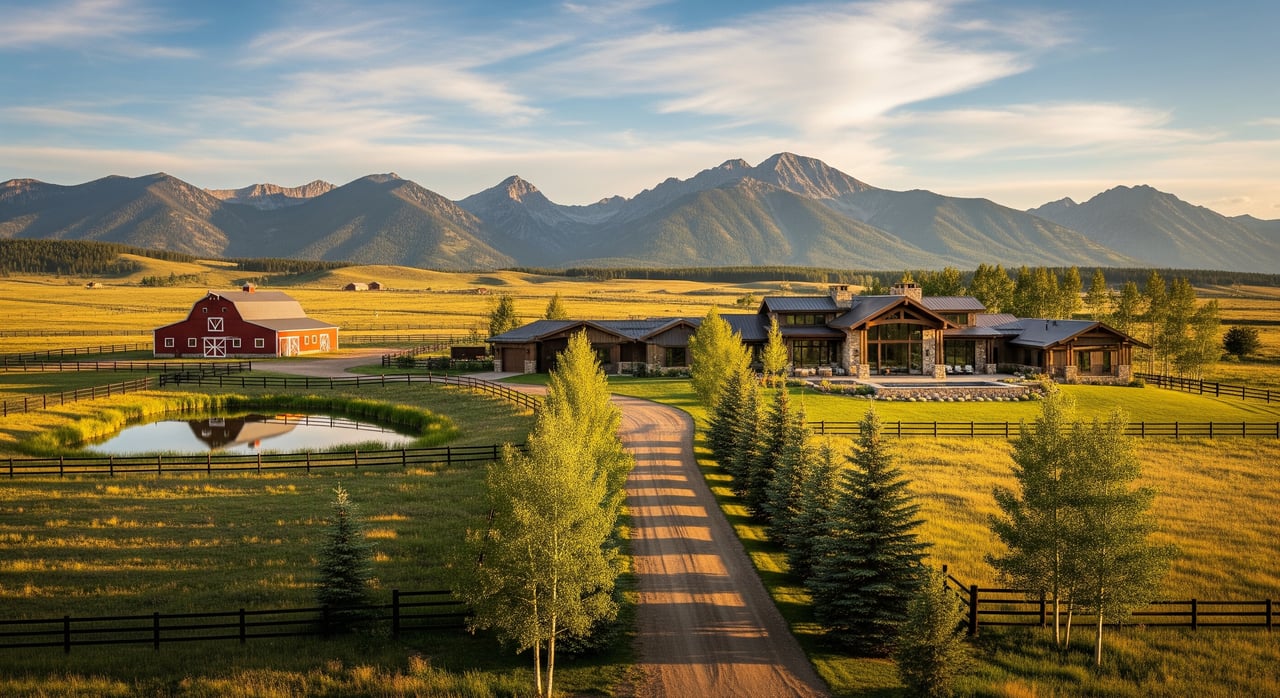
Some of the best ranches around Big Sky never hit the public market. If you’ve watched listings sell instantly or disappear before you can tour them, you’re not imagining it. Many owners prefer quiet, private sales that protect their privacy and control who steps onto their land. In this guide, you’ll learn how to uncover those off-market opportunities, what to watch for in Gallatin County, and how to move fast with confidence. Let’s dive in.
Big Sky sits in a high-demand corner of southwest Montana where large acreage, privacy, and recreation drive value. Owners often keep sales private to maintain discretion, test the market quietly, or meet specific conservation or estate goals. For you as a buyer, off-market deals can mean less competition and more room to negotiate. The tradeoff is that you have to be proactive and ready to do careful due diligence.
Sellers choose off-market routes for several reasons:
In the background, brokerage rules and MLS policies influence how off-market activity works. While most listings must follow local MLS rules, legitimate private sales still happen. Experienced ranch brokers in Gallatin County understand how to navigate those boundaries while honoring state law and seller privacy.
Finding private ranch opportunities is part strategy, part relationships, and part persistence. Start with a plan and stack several methods together.
A ranch and land specialist is your most direct path to properties you’ll never see online. These brokers keep private lists, talk weekly with other specialists, and often know who might sell long before a sign ever goes up. Share a clear buyer profile, your budget, and proof of funds or pre-approval. That helps your broker advocate for you when discretion matters and sellers want vetted buyers.
Gallatin County parcel maps and assessor records can reveal large tracts, absentee owners, and ownership entities like LLCs. Clerk and Recorder records show deeds, easements, and liens that hint at activity or constraints. Tax rolls can highlight delinquent accounts that sometimes indicate a willing seller. Build a shortlist of parcels by acreage, location, and features you care about.
Once you identify targets, reach out with brief, polite letters or notes. Explain who you are, what you’re looking for, and that you can proceed confidentially. Include your broker’s contact information and proof of funds if appropriate. Keep frequency low and track responses. Follow Do Not Call rules and any local solicitation requirements. The goal is respectful, nonintrusive contact that opens the door to a private conversation.
Ranch managers, feed stores, vets, outfitters, and conservation groups often hear about plans before the public does. Show up where the community gathers and listen more than you talk. Civic groups and local events can be great places to learn who might consider selling in the next season or two.
Local land trusts sometimes know of owners who are open to selling development rights or entire properties, especially where conservation easements are involved. If you value habitat and open space, these conversations can align interests and surface properties that are not broadly marketed.
Subscription tools that combine tax data, owner contacts, and rural listings can speed up research. Title companies can provide ownership and encumbrance reports and help you confirm recorded easements. This prework strengthens outreach and gives you an early sense of each parcel’s complexity.
Drive areas that match your criteria and note potential tracts, infrastructure, and access points. Use aerial and GIS imagery to understand terrain, water, and improvements. Never trespass. Respect signage and access rules, and leave any introductions to public spaces or your broker’s outreach.
Some owners will authorize limited, confidential outreach instead of a full public campaign. Private auctions or invitation-only sales also occur when owners want a controlled, vetted process. A specialist broker can set expectations and handle confidentiality agreements on both sides.
Off-market does not mean off the hook for diligence. Rural properties are complex. Build in time and contingencies for a deeper review.
Order a title commitment early to uncover liens, mortgages, easements, and mineral reservations. Many older ranch boundaries lack modern surveys, so require an updated boundary survey. In Montana, mineral rights may be severed from the surface estate. Confirm what conveys and how that affects future use.
Montana treats water rights separately from land. Verify well permits, well logs, surface water rights, priority dates, and volumes through the state’s records or a water-rights consultant. Understand how rights are used for irrigation, stock water, or domestic use. Montana’s Stream Access Law allows public use of most rivers and streams up to the high-water mark, but crossing private land to reach water requires permission. Know where public access points are and how that shapes privacy and recreation.
Conservation easements can permanently limit development and land use. Review recorded documents and speak with easement holders to understand restrictions and any management plans. If the property is enrolled in federal or state programs, confirm terms and transfer rules to avoid surprises at closing.
Gallatin County’s planning office governs zoning, subdivision rules, and development permits. Minimum lot sizes, access requirements, and right-of-way standards can affect future building or splits. Properties in certain resort or covenant-controlled areas may have additional rules. Verify early so your plans match what is actually permissible.
Legal access matters as much as physical access. Confirm deeded road easements or public road status. Many ranches rely on private roads with shared maintenance obligations. In Big Sky’s winters, plowing and seasonal access can be a real cost and operational factor. Get clarity on who maintains what.
Migratory routes and habitat designations can influence permitted uses and conservation interest. Existing grazing or hunting leases may transfer; review terms and timing. These details can affect income, operations, and recreation.
Confirm septic permits and compliance with county health standards. Some older systems require upgrades. Identify wetlands, floodplains, and riparian areas that may limit development or require permits. Ask about past timber harvests, weed management, and soil conditions to forecast maintenance needs.
Obtain owner and lender title insurance, with attention to survey-related exceptions. Escrow timelines are often longer for rural ranches due to surveys, water-rights work, and inspections. Build contingency windows that reflect the property’s complexity.
Large-acreage comps are scarce, and simple price-per-acre math can mislead. Adjust for water rights, access, proximity to Big Sky and Bozeman, views, improvements, and conservation encumbrances. Engage an appraiser who handles ranch and rural assets in Gallatin County. Their local insight will help you anchor price to factors that actually drive value.
Many buyers use cash to move quickly and satisfy sellers who value certainty. If you plan to finance, talk early with lenders who understand rural collateral. Options include conventional mortgages for properties that meet underwriting rules, portfolio loans from local banks, or specialized programs for working farms and ranches. Pre-approval or proof of funds strengthens your position in a confidential process.
Montana’s agricultural classification can lower property taxes for qualifying operations. If that status matters to you, understand current use and what is required to maintain it after purchase. Clarify with the Department of Revenue and county assessor how changes in use might affect tax treatment.
Owners often prioritize speed, discretion, and clarity. You can stand out by offering:
The main risks in rural transactions include undisclosed easements, boundary errors, water-rights disputes, seasonal access issues, and environmental liabilities. Mitigate with a thorough title and survey review, targeted inspections, and well-defined contingencies. Local counsel, a skilled title team, and a ranch-experienced broker are your core risk management trio.
Finding an off-market ranch in Big Sky takes patience, relationships, and precise execution. When you pair a clear buying brief with a specialist who lives this market every day, you can surface opportunities that never go public and close on terms that fit your goals. If you’re ready to pursue a private search with concierge-level discretion, connect with Stacie Wells for a confidential plan tailored to Gallatin County ranches.
Stay up to date on the latest real estate trends.


Get assistance in determining current property value, crafting a competitive offer, writing and negotiating a contract, and much more. Contact Stacie today to discuss all your real estate needs!
Let's Get Started