Livingston Ranch Land Values and What Drives Them
December 4, 2025
December 4, 2025
If you have ever wondered why two ranches a few miles apart can command very different prices, you are not alone. Whether you are preparing to sell or searching for a legacy property around Livingston, it pays to know what truly moves the market here. In this guide, you will learn the key factors that drive value in Park County ranchland, plus practical steps to protect your interests. Let’s dive in.
Livingston is a regional hub in Park County with fast access to Interstate 90, Yellowstone National Park, and the Bozeman area. That mix of convenience and scenery fuels demand from working operators, amenity buyers, and land investors. You see several segments here: productive cattle and hay ranches, recreational or amenity properties geared to hunting and fishing, small-acreage lifestyle parcels, and tracts with subdivision or conservation potential. Each segment values different features, which is why pricing varies so widely by micro-location and use.
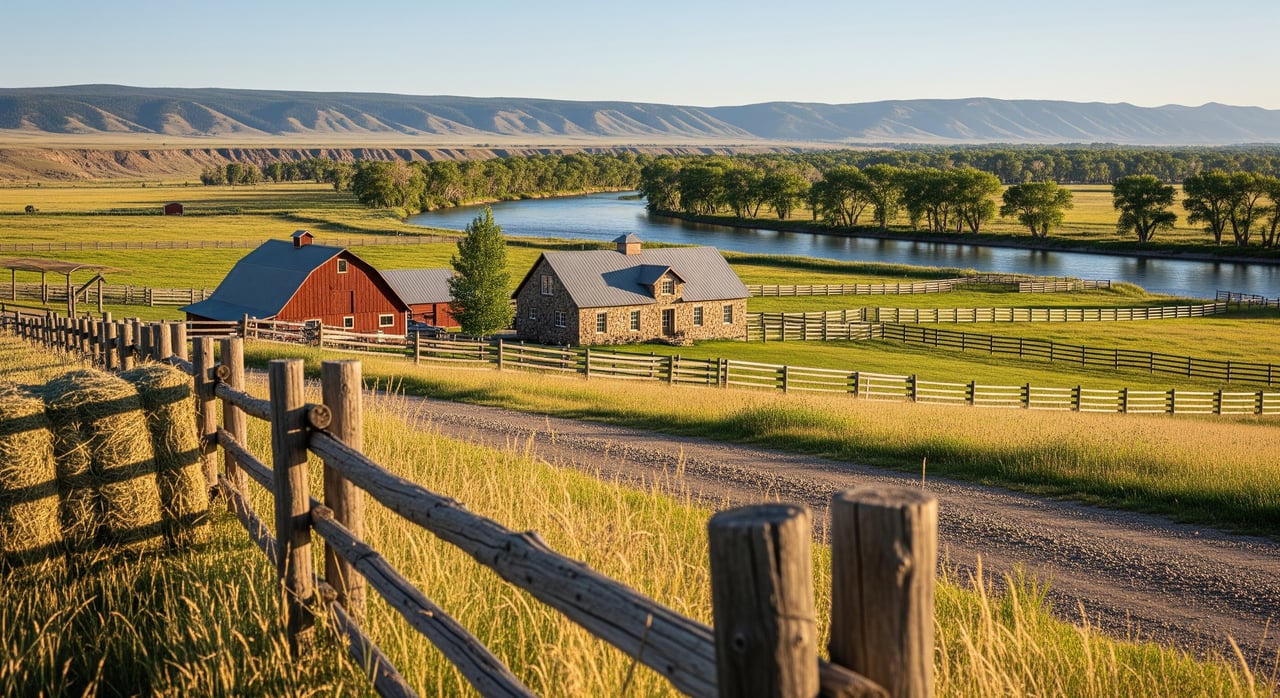
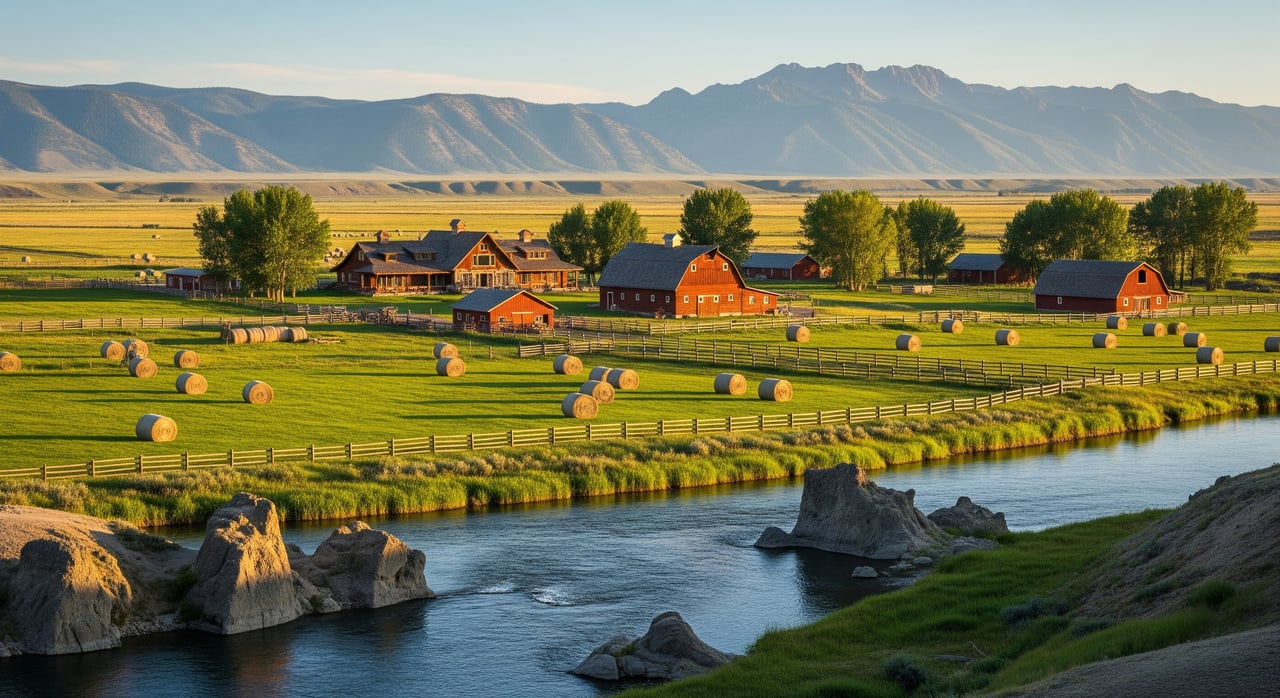
Water is one of the largest price drivers in Park County. Senior water rights, reliable headgates and ditches, and irrigated acres typically command a premium because they boost hay yields and grazing capacity. Surface water features such as the Yellowstone River, tributaries, springs, and riparian corridors also add amenity value, which matters for recreation-focused buyers.
For groundwater, well yield, depth, and permitted use influence value. During due diligence, you should verify DNRC water right records, priority dates, well permits, and any change-of-use filings. The physical condition of diversion structures and ditches also matters, since maintenance costs and reliability affect long-term returns.
Distance to Livingston and Bozeman, plus I‑90 access, influences both operating costs and buyer interest. Amenity buyers often pay more for short drive times to services, air travel, and outdoor attractions. Legal access is critical. County road frontage and recorded easements are positives, while properties with unresolved or verbal access can sell at a discount or face financing hurdles. Road quality, winter plowing, and bridge conditions factor into usability and future costs.
Productive soils and irrigable ground support hay and grazing income, which lifts value for working ranches. Flat benches, meadows, and valley bottoms often trade higher per acre than steep or timbered slopes with fewer usable acres. Range condition and weed pressure, along with fencing quality, directly affect carrying capacity and operating budgets. Buyers and appraisers use tools like NRCS soil maps, AUM estimates, and hay yield history to evaluate performance.
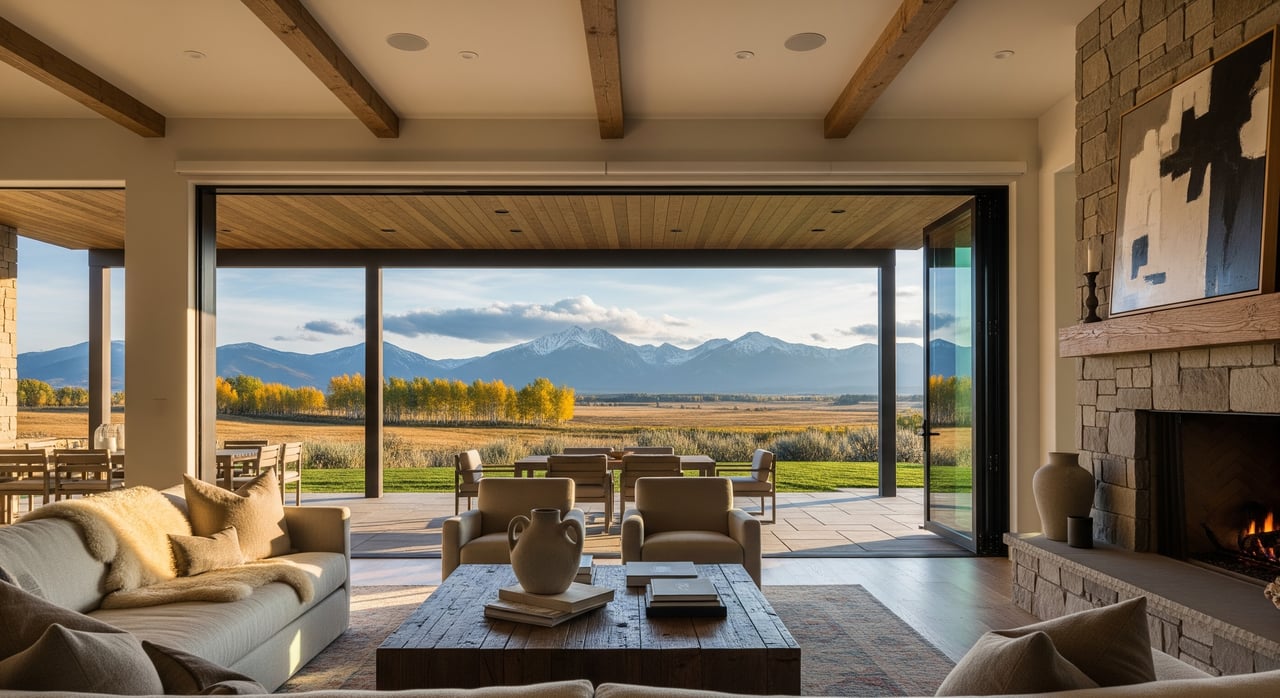
The quality and functionality of improvements matter. Primary residences, guest or worker housing, barns, corrals, stock water systems, and irrigation infrastructure can move the price meaningfully. Turnkey, well-maintained operations with solid septic, power, and high-speed Internet tend to attract broader demand, including remote-work lifestyle buyers. Internal roads and any private bridges also carry replacement and maintenance costs that buyers weigh in negotiations.
Adjacency or easy access to National Forest, BLM, state parcels, or Yellowstone National Park increases recreational value for hunting, fishing, horseback riding, and hiking. The presence of elk, deer, antelope, and other wildlife can be meaningful to amenity buyers and may support hunting leases. River and stream frontage often bring a premium for scenery and fishing, though you should align expectations with Montana’s Stream Access Law and any riparian regulations.
Mineral rights in Montana are often severed. Active mineral leases for oil, gas, coal, or aggregate can create surface-use or noise risks that affect value. Recorded easements, covenants, and rights-of-way shape what you can build, where you can access, and whether you can subdivide. Conservation easements can exchange development rights for payments and tax benefits while lowering market value, so it is important to understand terms, building envelopes, and long-term stewardship obligations.
Park County zoning, minimum lot sizes, and subdivision rules determine whether a property can be split or developed. Parcels with favorable zoning, access to utilities, or annexation potential can carry speculative value beyond agricultural income. Conversely, conservation overlays and restrictive covenants may limit development and reduce that component of price. Confirm the current zoning status and any non-conforming uses with local planning staff before you bake development potential into your value expectations.
Demand in the Livingston area has been supported by amenity migration, limited supply, and the region’s scenic and recreational draw. Interest rate trends and broader economic cycles influence how quickly properties trade and at what price bands. Agricultural prices for hay and cattle also affect buying power for working operators. If you plan to list, consider both seasonal buyer patterns and macro conditions; if you are buying, patience and preparation can help you act decisively when a good fit appears.
Wildfire risk is an increasing factor across the interior West. Vegetation type, historical burn areas, and ember exposure can change your insurance options and premiums. For riverfront and low-lying acreage, floodplain location and river meander risk matter for building, insurance, and long-term stability. Snowpack and precipitation patterns influence irrigation reliability and forage production. Buyers and sellers should pull wildfire mapping, FEMA flood data, and local records to assess risk and mitigation.
Sales comparison is the most common approach, but it requires careful segmentation by property type. Irrigated acres, river frontage, and improvements should be weighted differently than dryland or upland parcels. Micro-location, water rights, and access often explain price gaps between nearby properties.
For working ranches, the income approach uses net operating income and market cap rates. Carrying capacity in AUMs, hay yields, grazing leases, and any hunting or fishing lease revenue feed the model. Accurate operating costs and realistic production history are essential for credible valuations.
When improvements are significant, appraisers evaluate depreciated replacement cost for homes, barns, corrals, and infrastructure. This approach helps separate land value from improvements and can be useful where comps are thin.
Per-acre pricing is a common shorthand, but it can mislead if you do not adjust for usable acres, irrigation, water rights, and amenity premiums. Track metrics like price per irrigated acre, price per AUM, and price per linear foot of river frontage when relevant. Always compare like to like.
Use this checklist to reduce risk and support confident pricing:
Ranch values around Livingston hinge on a clear story about water, access, productivity, improvements, and recreation. When you document that story well and pair it with accurate comps and risk checks, you improve both price and certainty at closing. If you want a discreet, data-backed perspective on your property or target purchase, connect with a local specialist who understands both working operations and luxury rural buyers.
If you are ready to move forward with confidence, reach out to Stacie Wells to Request a Confidential Valuation tailored to your goals.
Stay up to date on the latest real estate trends.
Get assistance in determining current property value, crafting a competitive offer, writing and negotiating a contract, and much more. Contact Stacie today to discuss all your real estate needs!
Let's Get Started