Is second-home demand still moving Big Sky acreage prices, or has the market cooled for good? If you are weighing a purchase or planning to sell land, it can be hard to sort the signal from the noise. You want a clear view of what drives value on acreage around the resort and which steps protect your investment. In this guide, you will learn how second-home demand shapes prices, what truly moves price per acre in Big Sky, and how to navigate due diligence, financing, and timing with confidence. Let’s dive in.
Big Sky market snapshot
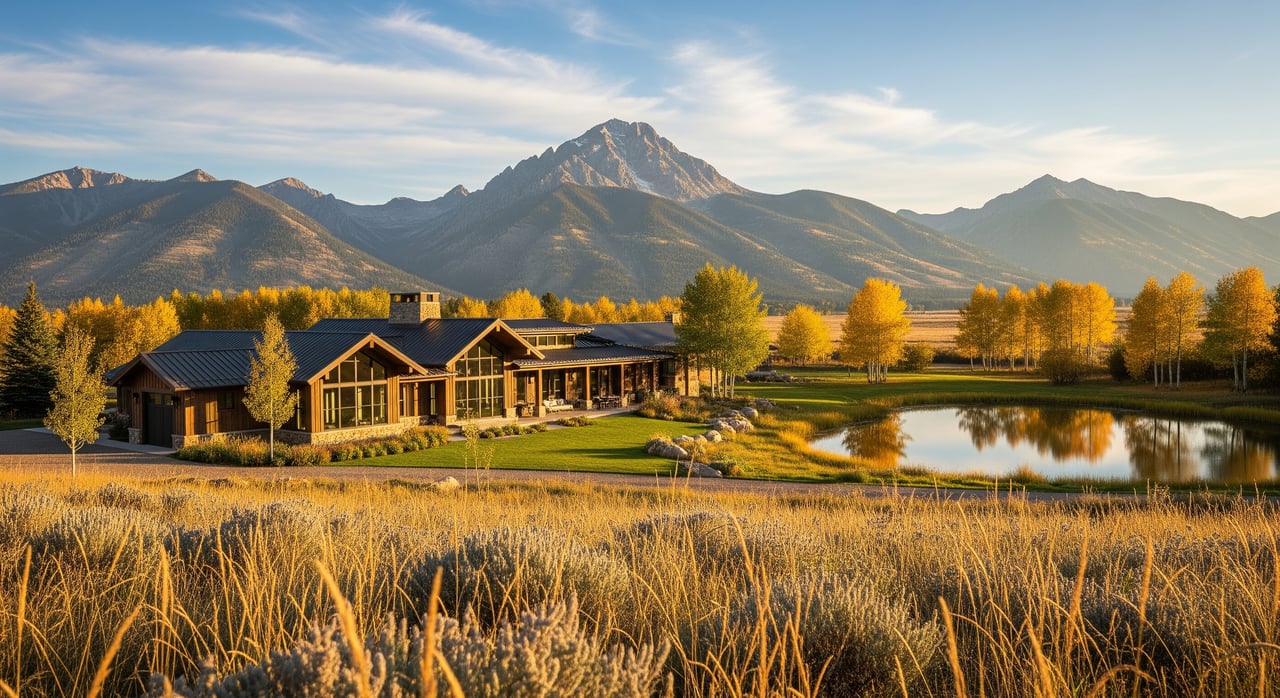
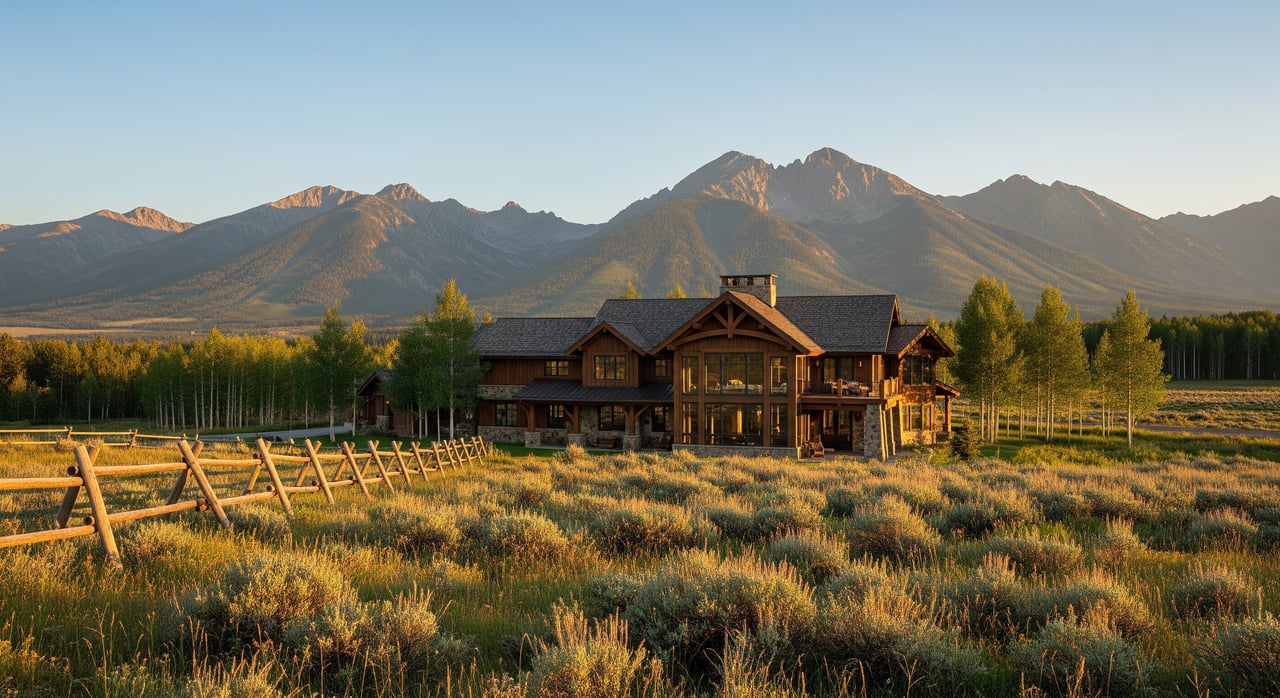
Big Sky is a high-amenity mountain community with limited developable land near the resort core. That scarcity supports land values, especially for parcels with views, strong access, or proximity to Mountain Village. Demand is often driven by buyers from higher-cost states and by local Bozeman-area residents seeking second homes. Luxury and private-club activity nearby can influence pricing benchmarks for surrounding acreage.
How second-home demand shapes prices
Second-home and vacation-home interest surged during the remote-work years. While higher interest rates in recent years cooled some activity, resort markets with true scarcity continue to attract buyers. In Big Sky, you see this most clearly in the premiums for parcels close to lifts, trails, and dining. Where short-term rental potential is allowed by HOAs or local rules, investor interest can add price support.
In practical terms, second-home buyers prize convenience, views, and turnkey development potential. Parcels that reduce friction for building or use are more competitive. When supply of similar property is thin, multiple well-qualified buyers can bid up ready-to-build lots, while raw, remote, or encumbered acreage trades at a discount.
What drives price per acre
Price per acre in Big Sky varies widely. The following factors tend to have the biggest impact:
Location and access
- Parcels closer to the resort, trailheads, and village services tend to command higher values.
- County-maintained or well-managed private roads reduce uncertainty for year-round access.
- Winter plow status and road standards matter for safety and insurance.
Views and setting
- Panoramic views of the ski area or nearby ranges can add a premium.
- Quiet settings away from traffic or utility corridors appeal to second-home buyers.
Utilities and permit readiness
- Permitted wells, septic approvals, and recorded easements help buyers move faster and pay more.
- Existing power nearby, and reliable broadband access where available, reduce development costs compared with off-grid solutions.
Buildable and legal acreage
- Usable acreage after setbacks, slopes, and wetlands is what counts.
- Slope stability, soils, and percolation results influence foundation and septic costs.
Covenants and rental rules
- CC&Rs, HOA rules, and county policies define allowed uses and rental options.
- Where short-term rentals are allowed, some buyers place higher value on income potential.
Prestige adjacency
- Proximity to high-end clubs and neighborhoods can set the tone for pricing and comps.
- Even without membership access, nearby ultra-luxury sales often lift perceived value.
Supply and development factors you must verify
Before you price or write an offer, confirm the following items at the parcel level.
Zoning and subdivision
- Verify allowed uses, minimum lot sizes, and whether subdivision or boundary adjustments are required.
- Understand the approval timeline for new access roads, culverts, and turnouts if you plan to create additional lots.
Water and water rights
- Montana follows prior appropriation for surface water and regulates groundwater wells.
- Confirm whether a permitted well exists, whether water rights convey, and the feasibility of drilling a new well if needed.
Septic systems and soils
- On-site wastewater disposal requires soil testing and approvals.
- Steep slopes or high groundwater can require engineered systems and increase costs.
Access and utilities
- Determine if access is legal and insurable, and whether a road maintenance agreement is recorded.
- Price the extension of power, possible lack of natural gas, and the need for backup solutions where broadband or utilities are limited.
Environmental and conservation
- Review wildfire risk, wildlife habitat, wetlands, and floodplain status before finalizing plans.
- Check for any conservation easements that limit building envelopes or uses.
Financing, taxes, insurance, and carrying costs
Financing terms differ significantly between raw land and a finished second home. Vacant land loans often require larger down payments, shorter terms, and higher rates. If you plan to build, construction or construction-to-permanent loans require plans, budgets, and qualified contractors. Second homes with existing structures may fit standard mortgage programs, subject to underwriting.
Property taxes are assessed at the county level based on taxable value, with potential special assessments for road or utility districts. Insurance availability and cost depend on hazards such as wildfire or flood. Budget for defensible-space work and other mitigation needs. Carrying costs for acreage commonly include taxes, insurance, HOA dues where applicable, road maintenance, snow removal, and any shared-system fees.
Buyer checklist for Big Sky acreage
Use this shortlist to streamline due diligence and avoid surprises:
- Confirm zoning, permitted uses, and subdivision requirements with Gallatin County Planning and Community Development.
- Order a preliminary title report and review recorded CC&Rs, easements, and encumbrances.
- Verify legal access, road ownership, maintenance agreements, and winter plow status.
- Assess utilities: locate power, confirm broadband options, verify well status and water rights, and confirm septic permitability with soil tests.
- Obtain a recent survey if boundaries or buildable area are unclear.
- Commission geotechnical input for steep or unusual soils.
- Review FEMA flood maps and wildfire hazard resources for risk and insurance implications.
- Understand HOA and county short-term rental rules for the parcel.
- Secure lender pre-approval tailored to land or second-home financing.
Seller strategies in a second-home market
Second-home demand rewards parcels that are easy to evaluate and develop. Small, practical steps can improve price and reduce days on market.
Pre-sale improvements that add confidence
- Current survey with marked corners.
- Perc test and septic analysis, or prior DEQ approval where available.
- Clear access path or preliminary driveway plan with grades and turnouts noted.
- Utility verification showing power proximity and well status.
These items reduce buyer uncertainty and widen your pool of qualified prospects.
Pricing and timing
- Anchor your pricing in recent comparable sales of similar, buildable acreage.
- Adjust for view, access, utilities, slope, and any encumbrances or easements.
- In resort communities, marketing windows often align with peak visitation periods. Prepare early so you can launch when buyer traffic is highest.
Disclosures and documentation
- Provide title information, CC&Rs, known hazards, and any water right or well data.
- Share road maintenance agreements, HOA rules, and any conservation easements.
- Transparency builds trust and can prevent retrades late in escrow.
Short-term rentals and investment appeal
Where permitted, STR potential can increase a buyer’s willingness to pay for a second home on acreage. Rules vary by HOA and county area, so verify the specific parcel. If rentals are allowed, buyers often model potential income against carrying costs. If not, focus marketing on privacy, recreation access, and long-term livability.
Avoid common pitfalls
- Do not assume you can drill a well without confirming water rights and permitting.
- Do not overlook winter access standards, especially on private roads.
- Do not skip soils and geotechnical checks on steep sites.
- Do not rely on distant comps that ignore differences in utilities, slope, or covenants.
Your next steps
Whether you are buying or selling, your best move is to get parcel-specific clarity early. Confirm zoning and access, line up the right financing, and benchmark value against truly comparable acreage. If you want a second home that is easy to enjoy or a sale that maximizes proceeds, preparation is your edge.
Ready to evaluate a property or build a pricing strategy built for Big Sky? Connect with Stacie Wells for discreet, high-touch guidance rooted in Montana land expertise.
FAQs
How does second-home demand affect Big Sky acreage prices?
- Strong second-home interest supports higher prices for parcels with convenience, views, and clear buildability, while raw or encumbered land trades at a discount.
What makes a Big Sky parcel “ready to build” for buyers?
- Permitted well, septic approvals, legal access with maintenance agreements, nearby power, and a recent survey give buyers confidence and speed up timelines.
Do short-term rental rules change land value in Big Sky?
- Yes, where HOAs and county rules allow STRs, some buyers value potential income, which can support higher offers compared with parcels that prohibit rentals.
What financing differences should I expect for land vs a second home?
- Land loans usually need larger down payments and have higher rates and shorter terms, while second homes with existing structures may use standard mortgage programs.
Which due diligence items matter most before I buy acreage?
- Verify zoning, legal access, water rights and well status, septic feasibility, utilities, surveys, title encumbrances, wildfire and flood risk, and rental rules.
How can a seller improve price and reduce time on market?
- Provide a survey, soils or perc results, access documentation, and utility verification; price with recent buildable comps and disclose known encumbrances.
What ongoing costs should I budget for Big Sky acreage?
- Property taxes, insurance, HOA dues if applicable, road maintenance, snow removal, and any fees for shared water or road systems are common carrying costs.