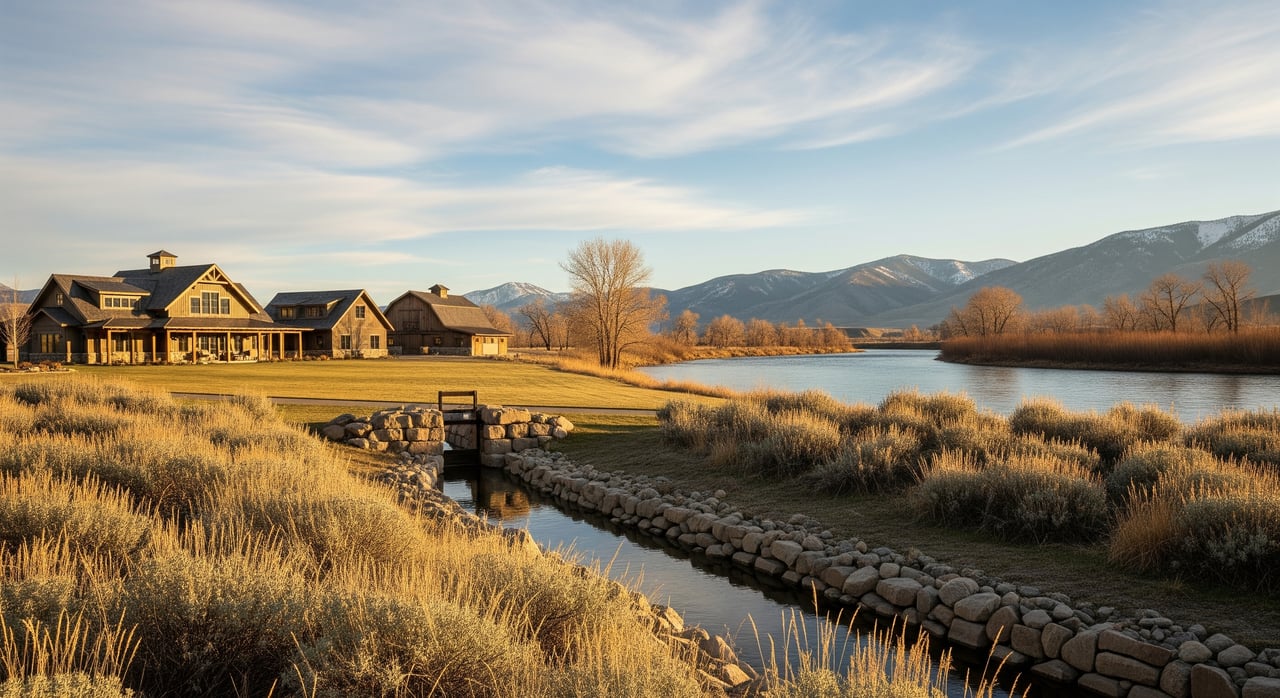
Montana Water Rights: A Buyer's Guide Near Bozeman
November 14, 2025
November 14, 2025
Buying land in Montana often comes down to one question: what water actually comes with the property? If you are eyeing acreage near Bozeman, the answer can be complex. Rights, permits, ditch memberships, and wells all play a role in value and use. This guide walks you through the core rules, local realities, and practical steps to protect your purchase before you sign. Let’s dive in.
Montana follows prior appropriation, or “first in time, first in right.” The older, or senior, the right, the stronger it is during shortages. If a drought hits and streamflows drop, junior users can be curtailed to protect senior rights. When you review a property, note the priority date of any right tied to it.
A water right is only as good as its beneficial use. Rights are defined by how water has historically been used. Long periods of non-use can expose a right to challenges or loss through legal processes. Ask for documentation of historic use and confirm the right has been maintained.
Most new appropriations and many changes to a right require approval by the Montana Department of Natural Resources and Conservation (DNRC). Adjudication and claim issues are handled through the Montana Water Court. Expect to see permits, certificates, or decrees in the file for a valid right. You can research these through DNRC records and Water Court case files.
Some properties are served by a city or water district. In that case, you receive water under municipal service rules rather than holding a raw water right. Confirm service availability, tap fees, and connection status with the utility.
Many rural and ranchette properties rely on wells. Some groundwater uses require permits, while others may be exempt under state rules. Always ask for the well log, pump tests, maintenance records, and any construction permits. Plan independent testing for yield and water quality.
Irrigation may come through a ditch company or irrigation district. Membership brings delivery rules, assessments, and schedules that affect operations and costs. Confirm whether the right is appurtenant to the land or owned separately, and request delivery history.
In growth areas, you may find leases, mitigation, or augmentation arrangements that allow new uses without harming senior rights. Get copies of any such agreements and have an expert review how they affect your intended use.
In valley settings around Bozeman, groundwater and surface water are often connected. Pumping from wells can reduce streamflows. Seasonal lows and drought conditions can heighten conflict risk. Factor this into plans for irrigation, additional structures, or higher domestic demand.
Regional studies and monitoring show seasonal low flows and changing groundwater levels in parts of the valley. Junior rights may face curtailment in tight years. Review the property’s priority dates and talk with local experts about typical seasonal patterns.
For verification and permits, contact the DNRC regional office for water-right procedures and records, Gallatin County environmental health and planning for well and septic requirements, and the City of Bozeman Utilities for municipal service details. Ditch companies or irrigation districts can confirm membership and delivery schedules.
Document and title review
DNRC and Water Court searches
Well-specific inquiries
Irrigation and ditch review
Municipal service and hookups
Legal and regulatory status
Practical inspections and experts
Contract protections
Changes in point of diversion, place of use, purpose, or season usually require DNRC approval and public notice. You cannot expand beyond historic beneficial use or injure senior rights. Allow time for review. Depending on complexity, permits and Water Court matters can take months to years. Build this into your due diligence timeline and budget.
Know the priority date. Senior rights are more secure. Junior rights face more curtailment risk in drought. Ask for records that show delivery patterns in dry years to set expectations.
Extended non-use can lead to challenges. Keep records of when and how water has been applied. If you plan a change in use, consult experts early to preserve value.
Well water quality can be affected by septic systems and land use. Confirm setbacks and system function through county standards. Routine testing for bacteria and nitrates is a smart, low-cost safeguard.
Lenders often want proof of reliable water. For municipal service, that means connection status and good standing. For wells or irrigation, expect to provide well tests and water-right documentation. Complex water issues can affect approval and timing.
Ask for the specific right number or ditch company account, delivery history, bylaws, and assessments. Confirm whether the right is appurtenant to the parcel or held separately.
Verify the well’s status, construction, and compliance. Test yield and water quality. If you plan to add structures or increase demand, explore whether a permit or mitigation could be required.
Changes to use, place, or season require DNRC review and cannot harm senior rights. Start early with a water-rights attorney or consultant. Expect permitting timelines and plan accordingly.
Before you buy, confirm whether municipal service is realistic or if a well is feasible under current rules. Add contingencies for connection or successful well testing and septic approvals.
When you understand the rights tied to your land, you protect your investment and unlock the property’s true potential. If you want a seasoned, discreet advisor to guide your water-rights due diligence and align it with your purchase strategy, connect with Unknown Company to Request a Confidential Valuation or a private buyer consultation.
Stay up to date on the latest real estate trends.


The year 2022 has been full of ups and downs in the real estate industry.
Get assistance in determining current property value, crafting a competitive offer, writing and negotiating a contract, and much more. Contact Stacie today to discuss all your real estate needs!
Let's Get Started