Life On Small Acreage Near Big Timber
February 26, 2026
February 26, 2026
Ever picture your mornings framed by the Crazies, a crisp river breeze, and a short list of chores before coffee? If you are drawn to a quieter pace with room for horses or a garden, small acreage near Big Timber can fit beautifully. At the same time, you want clear expectations about daily tasks, services, and practical checks before you buy. This guide gives you a grounded look at ranchette life around Sweet Grass County, plus a buyer checklist to help you choose confidently. Let’s dive in.
Big Timber anchors Sweet Grass County at the confluence of the Boulder and Yellowstone Rivers. Its location along I‑90 provides quick access to mountain valleys and open prairie, and the town functions as the local service center for the surrounding ranch country. For a deeper feel for the setting and local governance, review the City of Big Timber’s resources on the official city site.
You can reach regional hubs without giving up quiet. Bozeman is typically about an hour away by car, while Billings is about 75 to 90 minutes depending on exact parcel location and conditions. For commercial flights, Bozeman Yellowstone International Airport is roughly an hour from town, which many acreage owners use for routine travel. For drive-time context, see these baseline estimates between Big Timber and Bozeman on a regional distance tool.
You will find a wide spectrum, from compact river-adjacent retreats under 10 acres to larger holdings measured in dozens of acres or more. Many buyers target the 4 to 40 acre range to balance privacy, animal capacity, and maintenance. Larger working ranches and multi-hundred-acre properties are also present in Sweet Grass County if you decide to scale up later.
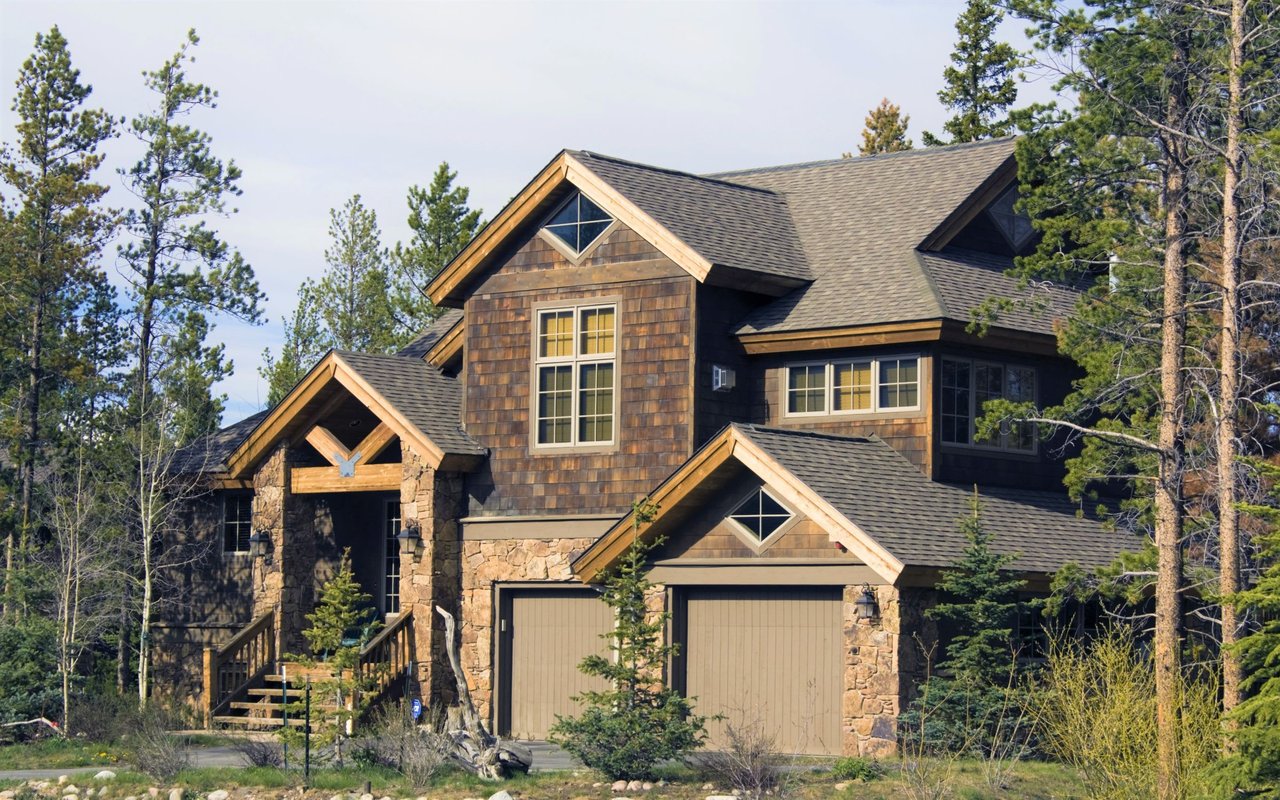
Typical ranchettes include a modest single-family home or cabin, one or two outbuildings, and fenced pasture or paddocks. Many parcels have private wells, established septic systems, and sometimes limited irrigation or river corridor frontage. Scenic views are a frequent draw, especially sightlines toward the Crazy Mountains and easy proximity to public land trailheads.
Electric service is generally available along county roads, with both investor-owned and cooperative utilities in the region. Rural broadband can vary with location, so verify address-level service before relying on heavy video calls or remote work. For septic systems and onsite wastewater, review county environmental health records and permitting through Sweet Grass County Environmental Health.
Water is a core diligence item in Montana. Confirm private well logs and any surface or irrigation rights associated with the deed, and understand whether groundwater use is exempt or requires formal permitting. For a plain-language overview of exemptions, forms, and process, use this Montana water-law primer.
On small acreages near Big Timber, you will commonly see recreational horses, a small cow-calf pair or two, a handful of sheep or goats, and sometimes backyard poultry. Sustainable stocking rates depend on rainfall, irrigation, and grazing management, and a conservative plan usually pays off. Before you buy or stock up, connect with the local MSU Extension to calibrate pasture capacity, weed control, and supplemental feed strategies through Sweet Grass County Extension.
Expect to budget for perimeter fencing, rotational paddocks, and a basic handling setup if you keep larger animals. In drought years, many owners buy hay or alternative rations, so it helps to line up a reliable hay source and dry storage before winter. Build a relationship with a large-animal veterinarian early; local practices such as All Creatures Veterinary Service provide ambulatory calls and herd services that are invaluable when you need them.
Even a small herd adds daily tasks: feeding, checking water, walking fence lines, and managing manure. Seasonal peaks include calving or lambing, haying, and winter feeding. Many ranchette owners rotate animals, rest pastures, and use a simple dry lot in summer to protect grass. Extension workshops and local producer groups offer practical, hands-on advice you can put to work right away.
Pioneer Medical Center in Big Timber is a 25-bed Critical Access Hospital with an Emergency Department and Rural Health Clinic that serves the county. For specialist care and major procedures, residents travel to Bozeman or Billings. Learn about services and affiliations on Pioneer Medical Center’s overview.
Big Timber hosts the public K–8 district and Sweet Grass County High School for grades 9–12. Families should confirm bus routes and any multi-town attendance arrangements for specific addresses. 4‑H and FFA programming are part of the local rhythm and a great way to plug kids into agriculture in a neutral, skills-focused setting.
In town, you can handle most day-to-day needs, including groceries, hardware, and farm supplies. Yellowstone Feed and other local vendors support hay, grain, and bedding needs, and the chamber business directory is a helpful starting point for fencing, well drilling, and snow-plowing contacts. Most owners schedule larger shopping or specialty runs to Bozeman or Billings as needed.
Many town addresses have cable-based broadband, while outlying parcels often rely on satellite or fixed wireless. If high-speed internet is mission-critical, run a street-address check and a speed test before you write an offer. Start with advertised service areas for cable in town through Spectrum’s Big Timber page.
Sweet Grass County maintains an extensive county road system, and the City of Big Timber posts a snow-plowing policy for town streets. Private driveways are the owner’s responsibility, so plan for a tractor-mounted blade or a reliable plow contractor if you have a long approach. Winter can lengthen commutes and slow logistics, so sign up for local emergency alerts and prep vehicles with tires, chains where appropriate, and cold-weather kits.
Wildfire risk influences homeowners insurance across Montana. On small acreage, creating defensible space and managing vegetation can help with eligibility and pricing. Request property-level quotes early in your search so you understand premiums, coverage limits, and any wildfire-related requirements before you close.
Life here leans outdoors. The Boulder River and the Yellowstone River offer classic Montana fly-fishing and floating, with seasonal public access points used by locals and visiting anglers. For an overview of the Boulder’s character and access, see this regional look at the Boulder River fishery.
Custer Gallatin National Forest surrounds the Boulder Valley and nearby ranges with trailheads, cabins, and campgrounds. Day hikes, backcountry weekends, and winter outings are part of the normal calendar for many acreage owners. To explore trailheads and public cabin rentals, start with the Big Timber Ranger District resources.
Community life runs on fairs, rodeos, weekly markets, and 4‑H activities. New acreage owners often join stockgrower groups, Extension workshops, and Chamber events to build practical networks and find trusted local contractors. It is a friendly, get-it-done culture where showing up matters.
Use this quick-reference list to verify the essentials before you sign.
Water rights and wells
Septic and onsite wastewater
Utilities and broadband
Access and winter maintenance
Service network for animals and acreage
Health care and emergencies
Recreation and lifestyle fit
If you value space, scenery, and a hands-on routine, small acreage here offers a compelling balance. You are close to a supportive small-town service network and regional hubs, with two iconic rivers and national forest access in your backyard. With the right due diligence on water, septic, utilities, winter access, and insurance, you can settle in confidently and enjoy the rhythm that drew you to Sweet Grass County in the first place.
Ready to explore properties or talk through the nuances of water rights, grazing, and market positioning? Connect with Stacie Wells for discreet, expert guidance tailored to your goals.
Stay up to date on the latest real estate trends.


Get assistance in determining current property value, crafting a competitive offer, writing and negotiating a contract, and much more. Contact Stacie today to discuss all your real estate needs!
Let's Get Started