Working Or Recreational Ranch Near Livingston: How To Choose
May 21, 2026
May 21, 2026
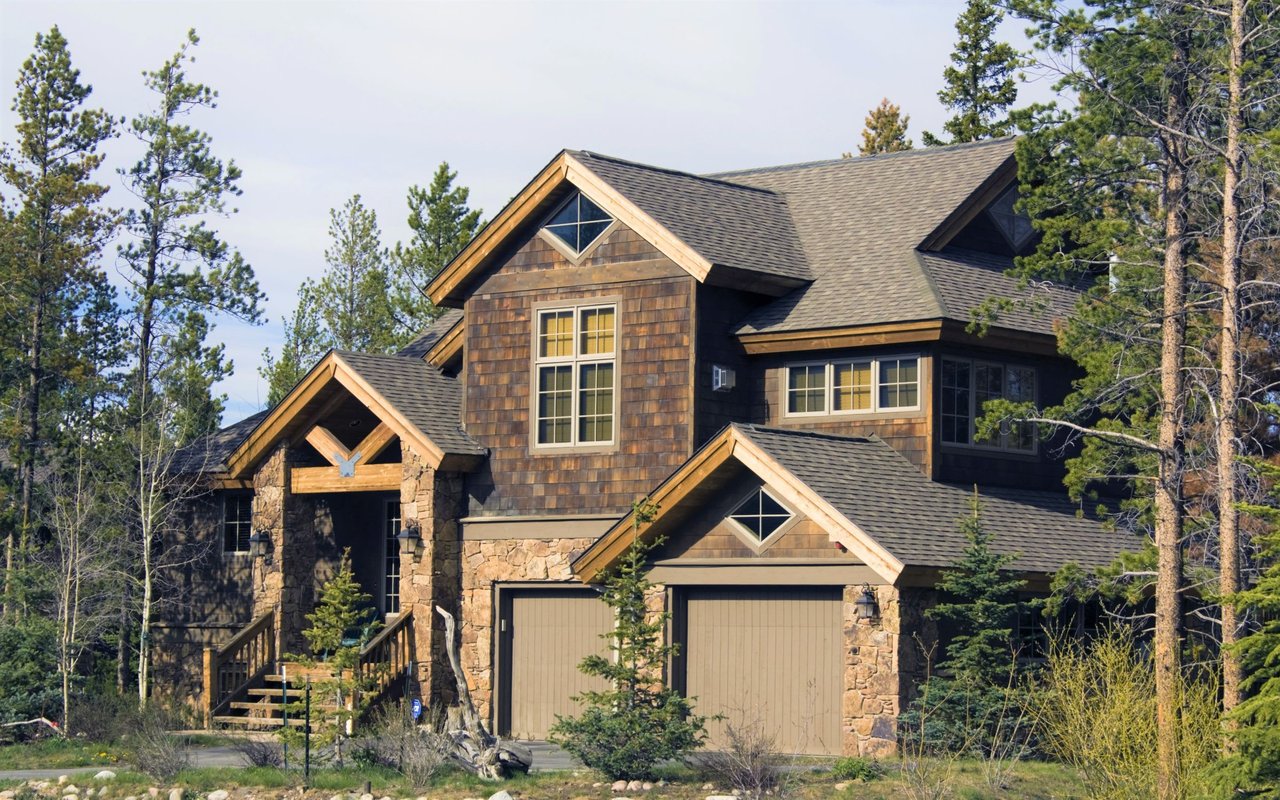
If you are looking at land near Livingston, one question shapes almost everything else: do you want a working ranch or a recreational retreat? Both can offer room to breathe, striking scenery, and long-term value, but they ask very different things from you as an owner. If you choose the right fit from the start, you can avoid costly surprises and buy with more confidence. Let’s dive in.
The biggest difference between a working ranch and a recreational property is usually not the view, the acreage, or even the improvements. It is your primary objective. Near Livingston, many properties can support more than one use, so the key is deciding what you want the land to do for you.
A working ranch is a production property first. It may support livestock, hay, grazing, or other income-producing agricultural use, and that means your ownership experience is tied to land management, water, weather, and seasonal operations.
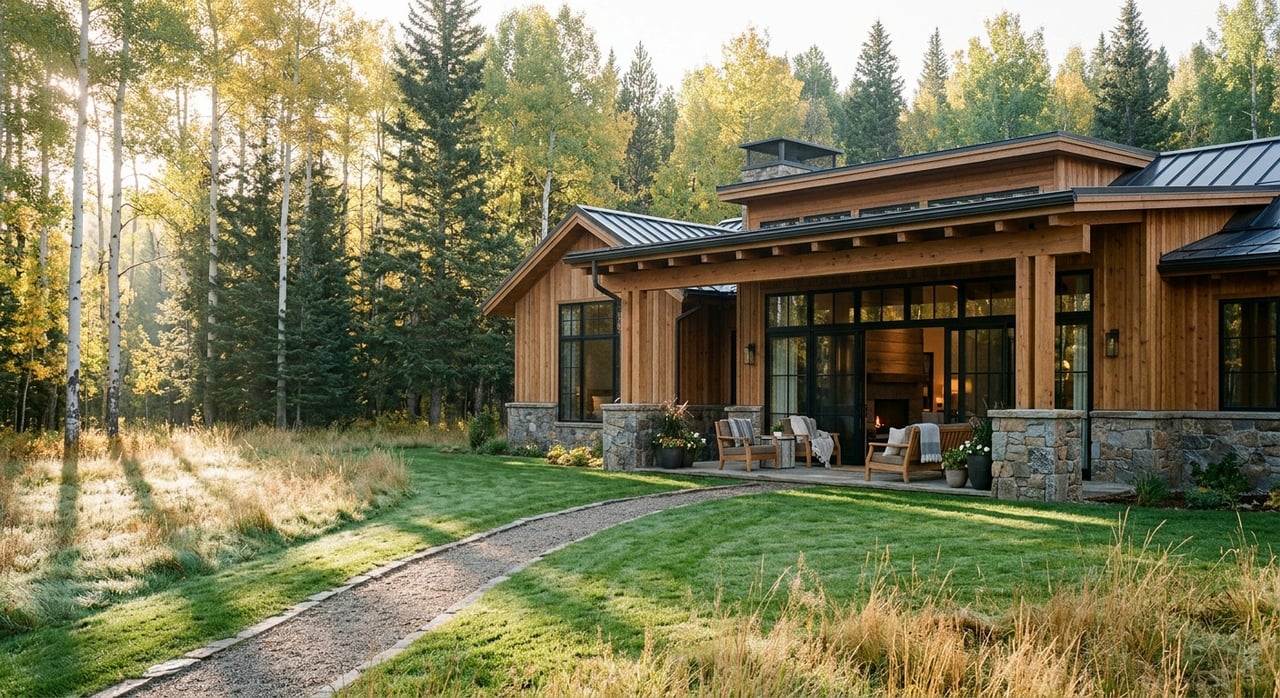
A recreational or retreat property is usually centered on personal enjoyment. You may be looking for privacy, horseback riding, fishing access, hunting potential, or a place for family use, with less day-to-day operational pressure than a production ranch.
In many cases, the line is not absolute. A ranch can offer recreation, and a retreat can still produce some income. What matters most is how much complexity you want to manage and how you plan to use the land over time.
The Livingston area gives buyers a rare mix of access and open country. Park County spans about 1,681,280 acres, ranges from roughly 4,000 feet to 12,807 feet, and includes mountains, the Yellowstone River, lakes, and reservoirs.
Livingston also sits at the crossroads of Interstate 90 and US 89 and is known as the historic gateway to Yellowstone National Park. For many buyers, that means you can enjoy a rural setting while still being within a county that includes a critical access hospital, two medical clinics, and four airports.
That combination helps explain why the area appeals to both ranch-minded buyers and those seeking a private retreat. You can find land with strong lifestyle appeal, but you still need to evaluate how practical the property is for your intended use.
A working ranch can be deeply rewarding, but it is rarely passive ownership. Montana State University Extension describes Montana ranching in a way that makes the scope clear, with attention to animal nutrition, reproduction, land management, grazing systems, livestock-wildlife interactions, ranch economics, pest management, biosecurity, employee leadership, and alternative markets.
In simple terms, a working ranch asks for regular decisions and active oversight. Livestock, forage, water, fencing, feed planning, and weather are not background details. They are part of the business model.
Drought is also a serious consideration. MSU Extension notes that drought can quickly stress both the land and the feeding plan, which means buyers should think beyond a good year and consider how resilient the property may be under pressure.
If your goal is active stewardship and production, this level of involvement may be exactly what you want. If not, a lighter-use property may be a better fit.
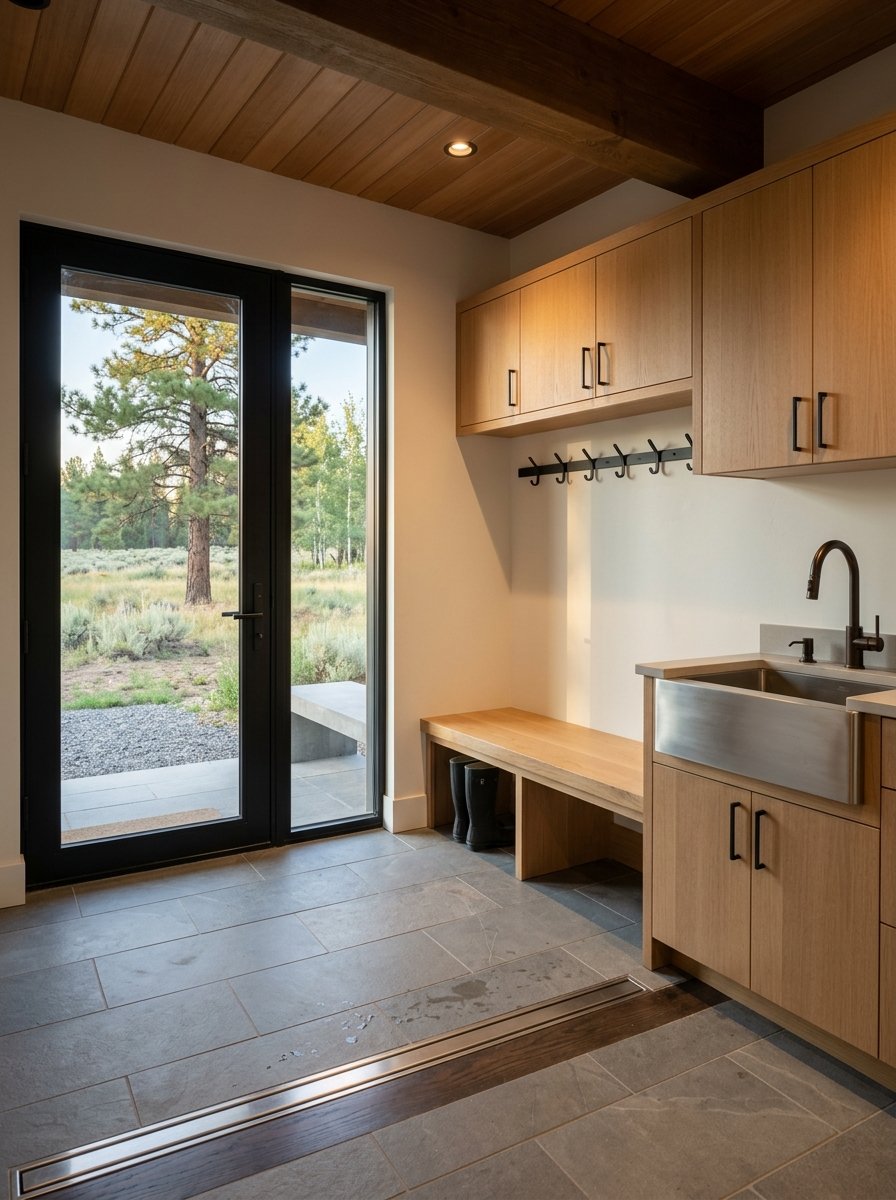
A recreational or retreat property may feel simpler, but it is not maintenance-free. Roads, wells, septic systems, fences, seasonal access, and general land stewardship still matter.
Wildlife is often part of the appeal, and Montana Fish, Wildlife & Parks says landowners are central to wildlife and habitat management. Depending on the property and your goals, there may also be options tied to public hunting access or wildlife-related income.
For example, Montana FWP’s Block Management program can provide payments and hunter-management support in exchange for public hunting access. MSU Extension also notes that some owners lease hunting access to outfitters, and conservation easements can be used to preserve open space, wildlife habitat, scenic corridors, and other recreational values.
That said, these choices should match your comfort level. Some owners want privacy and limited outside access, while others welcome a managed recreational income component.
Before you fall in love with a view or a lodge-style home, think about the ownership rhythm you want. This is often where the best decision becomes clear.
A working ranch generally involves more daily and seasonal oversight. Your schedule may be shaped by grazing, water, livestock care, hay production, weather shifts, and ongoing operational needs.
A recreational property usually comes with a lighter management load. Your calendar is more likely to revolve around maintenance, access, and personal use rather than production cycles.
If you live out of state or plan to visit only part of the year, that difference can be significant. The more operational the property, the more important it is to understand how hands-on ownership will really be.
Income potential is one of the clearest points of separation. A working ranch may generate revenue through livestock, hay, grazing leases, or wildlife-access arrangements.
A recreational property may generate some income too, but that is often secondary to personal enjoyment. If you are evaluating the land as both a lifestyle purchase and a financial asset, this distinction deserves close attention.
In Montana, agricultural land is a separate property class that is valued by production value, while residential, commercial, and industrial land is generally valued at market value. Parcels under 160 acres must meet ownership, use, and income criteria to qualify for agricultural land classification.
That means you should not assume a parcel will qualify simply because it looks agricultural or has been lightly used that way in the past. Classification questions can materially affect carrying costs, so they should be part of your due diligence early in the process.
Near Livingston, water is one of the most important factors to verify. This is especially true if you are considering a working ranch with hay ground, irrigated acreage, or stockwater needs.
The Montana Department of Natural Resources and Conservation says a recorded water right is required for the majority of water uses to be valid, legal, and defensible. It also states that new or expanded beneficial uses generally require a permit or notice of completion.
If the property relies on a private well or septic system, ownership also comes with responsibility. Montana DEQ notes that private well and septic owners are responsible for protecting drinking water and groundwater.
And if land touches a creek or river, additional review may apply. Park County warns that work in or near streams can require additional permitting, so improvements that seem straightforward may involve more process than expected.
A beautiful parcel is only part of the story. In Park County, your future plans for the land may trigger review long before construction begins.
The county administers rules related to subdivisions, zoning, floodplains, rural improvement districts, and buildings for lease or rent. In practical terms, a homesite, guest cabin, road project, utility extension, or parcel split may require county review.
This is especially important if your long-term plan includes flexibility. Park County defines a subdivision as the creation of parcels under 160 acres, and subdivision proposals require review and approval by the County Commission.
Rural improvement districts also matter. Park County states that these districts can fund roads, water, sewer, storm drain, parks, and recreational facilities, which means some infrastructure costs may show up in district taxes depending on the property.
The best ranch purchases usually start with honest answers. Before you move forward, ask yourself:
These questions can narrow your search quickly. They also help you judge whether a property is truly aligned with your lifestyle and ownership goals.
If you want a property that supports active stewardship and production, a working ranch is often the natural fit. You may welcome the responsibility, the operational challenge, and the opportunity to build income around the land.
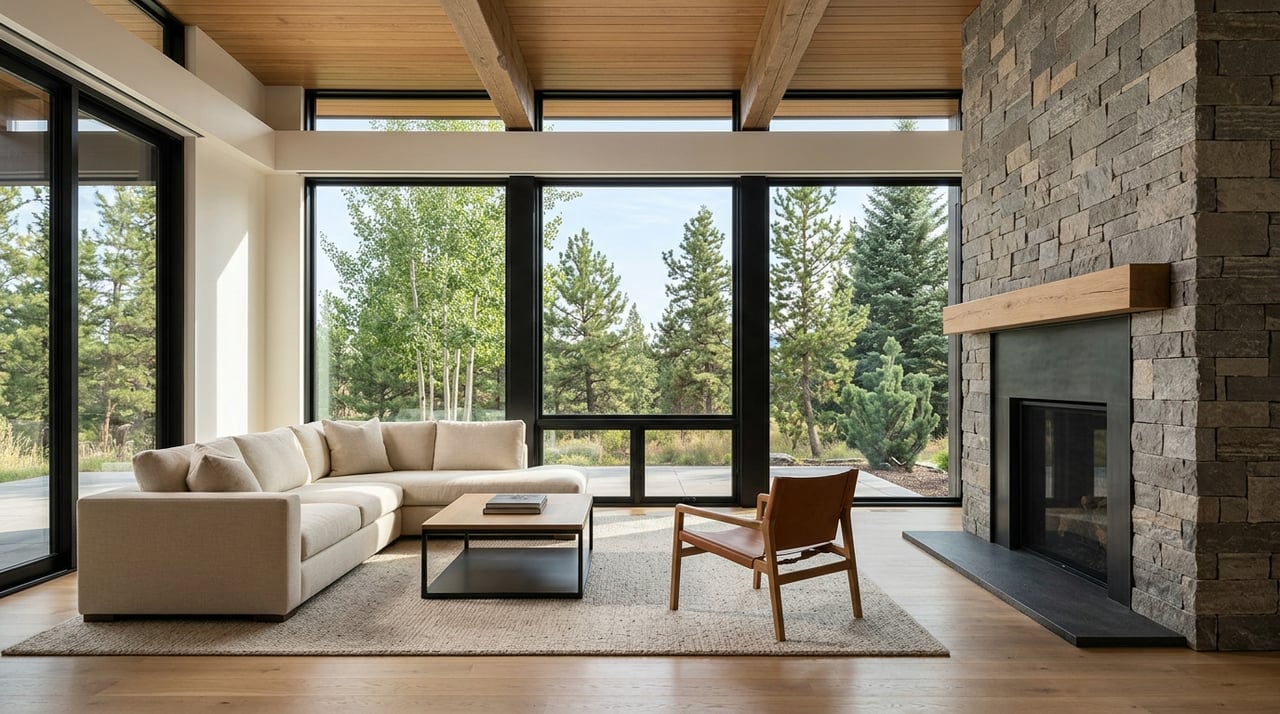
If your priority is privacy, scenery, and a more flexible ownership experience, a recreational retreat may serve you better. You can still enjoy the land in a meaningful way without taking on the full burden of a production operation.
Many properties near Livingston sit somewhere in the middle. That is why the smartest next step is not guessing based on marketing language. It is matching the land’s actual use, water status, infrastructure, and county regulatory status to your long-term plan.
When you are comparing ranch and retreat properties in Montana, local knowledge matters. For thoughtful guidance on rural land, ranch considerations, and discreet buyer representation, connect with Stacie Wells.
Stay up to date on the latest real estate trends.
Get assistance in determining current property value, crafting a competitive offer, writing and negotiating a contract, and much more. Contact Stacie today to discuss all your real estate needs!
Let's Get Started