Selling An Equestrian Acreage Near Red Lodge
March 26, 2026
March 26, 2026
Thinking about selling your horse property near Red Lodge? You know the right buyer will value trail access, water, and well-kept facilities, but they will also expect clean paperwork and proof your land is managed well. With a smart plan, you can avoid delays, command a premium, and make your acreage stand out. This guide walks you through the essentials so you can list with confidence and move smoothly to closing. Let’s dive in.
Red Lodge sits at the doorstep of the Beartooths with quick access to trail systems and Forest Service recreation. Highlight nearby trailheads and community paths because buyers often place a premium on ride-out and trailer-friendly access. You can point to local trail resources like the Beartooth trails network around Red Lodge when you market your location.
Community culture also matters. The region’s rodeo heritage and youth programs create steady interest from horse owners. Referencing events such as the Home of Champions Rodeo in Red Lodge helps out-of-area buyers understand the active equestrian scene.
In Montana, water rights are a separate and material part of title. If your property uses irrigation or stockwater rights, you need to identify the DNRC water right numbers and state clearly whether they transfer in the deed or are reserved. After conveyance, buyers or sellers must update DNRC ownership records using DNRC Form 608 (Water Right Ownership Update). Collect any ditch agreements, irrigation district contacts, historic deeds, and your well log or completion reports for the listing packet.
At closing, Montana requires a Realty Transfer Certificate that includes a water-rights disclosure. If water rights convey, you should also file DNRC Form 608. Keep a copy of the state Realty Transfer Certificate (Form 488) with your records and make sure the water-rights section is complete.
Carbon County coordinates on-site wastewater and well oversight with the Montana DEQ. Parcels under 20 acres commonly require a DEQ Certificate of Subdivision Approval (COSA) to document approved water and wastewater facilities, and the DEQ path can take about 6 to 8 months in some cases. Have your septic permit, any DEQ COSA, and recent well water lab tests ready for buyers. Start with Carbon County’s Environmental Health guidance.
Large outbuildings, barns, arenas, and road approaches may need county permits, and some areas require floodplain review. Gather all building permits, site plans, and as-built drawings for buyers and their inspectors. Contact the County planning and building departments early so you know what was approved and what still needs review.
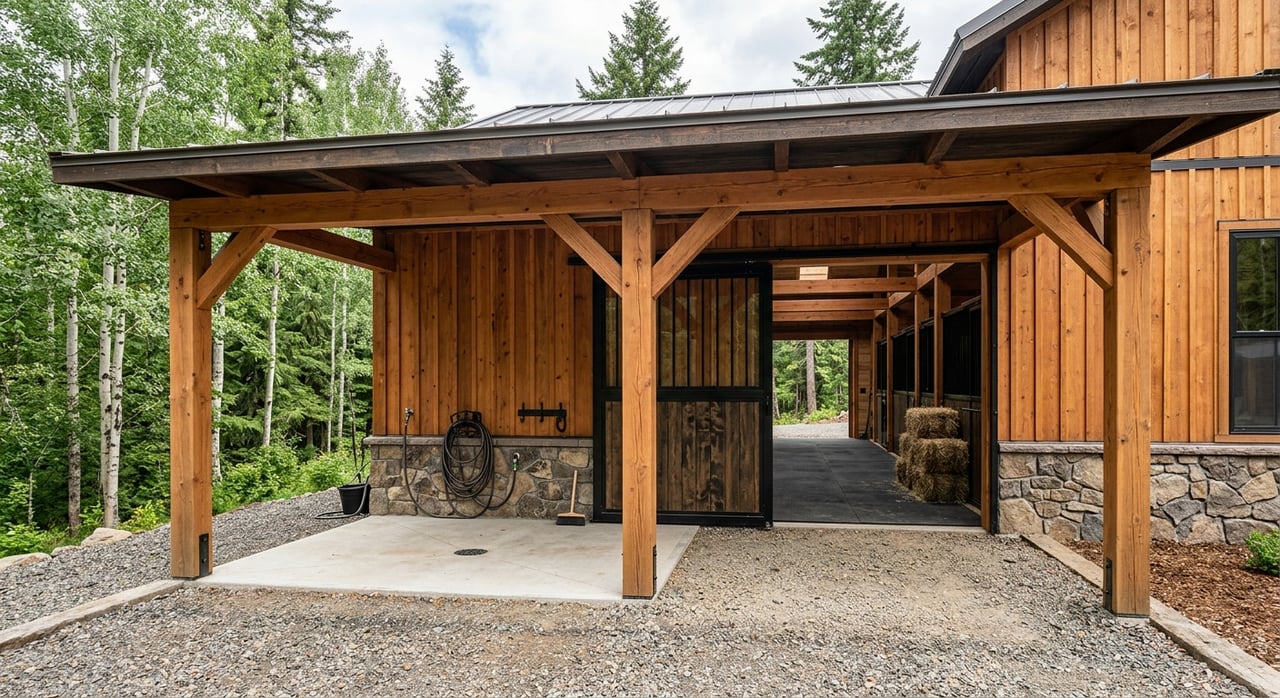
Buyers check barn structure and roof, stall size and airflow, tack and feed room security, wash racks, plumbing, and electrical safety. Document all recent repairs and maintenance, like roofing, gutters, and wiring. If you have a trailer pad, hydrants, or frost-free spigots, list those clearly.
Performance and lesson buyers care about dimensions, footing, and drainage. A standard competition dressage arena is about 20 by 60 meters, with smaller schooling arenas often 20 by 40 meters or less. State your arena sizes, footing materials, base prep, any recent leveling, and how water drains off the surface. If footing is a highlight, keep vendor invoices to share.
Note perimeter fencing type and age, plus total linear footage. Show your cross-fencing, gate layout, and any holding pens. Buyers will look closely at paddock slope, drainage, and mud management. If you use sacrifice or loafing areas, explain how they reduce mud and protect pastures.
Provide recent soil tests and three years of hay or forage purchase records. Many buyers and appraisers in Montana reference MSU Extension stocking guidance to understand carrying capacity, so having Animal Unit Month (AUM) estimates or lease history is helpful. Share the MSU resource on AUMs and lease rates. Also include your manure plan and any composting details. MSU’s MontGuide on manure composting best practices is a good baseline for spacing, storage, and nutrient use on fields.
Carbon County expects landowners to control noxious weeds. Disclose treatment maps, herbicide receipts, and recent control measures for species like knapweed or leafy spurge. Serious buyers will ask for this because it affects pasture productivity and costs. Point them to the county’s Invasive Plant Department for general program context.
If you plan to sell horses with the property or market a boarding or lesson operation, compile veterinary and farrier records, vaccination and deworming logs, Coggins tests, and boarding contracts. These support buyer due diligence and any business value you are presenting.
Parts of Carbon County sit in the wildland-urban interface. Document defensible-space work, maintenance logs, and any Firewise participation. Share links to county information on wildland fire and restrictions so buyers understand the risk context and your mitigation steps.
Conservation easements can protect working lands and legacy values. If you already have an easement, disclose it early and explain permitted uses and building rights because it can affect appraisal, subdivision potential, and marketability. If you are considering an easement before selling, learn about the NRCS Agricultural Conservation Easement Program (ACEP) and timelines before you commit.
In the Red Lodge market, national portals often place typical home values in the upper 400s to mid 500s. Equestrian acreage is a niche segment that prices beyond standard home-only comps because water, irrigable acres, and horse infrastructure matter. Work with a broker and, when needed, a ranch and land appraiser who understand equine properties.
What tends to add value for horse buyers:
Montana buyers and appraisers place a premium on irrigable acres and reliable water rights. Be ready with DNRC water-right printouts and your plan to file Form 608 after closing when rights convey.
Expect interest from regional horse owners seeking trail access, lifestyle buyers moving from larger Montana markets or nearby states, small operators who need stalls and an arena, and conservation-minded families. Show how your acreage connects to the trail network and regional recreation because that is a top draw for this audience.
Use your local MLS as the hub with a complete disclosure packet attached. Add targeted niche land and equestrian marketplaces to reach national buyers. Keep your listing consistent across channels and lead with facts that equestrians scan for first.
Invest in drone and ground photography that shows usable acres, water sources, arena surfaces, fencing layout, access roads, and trailer parking. Include a simple plan-view map labeling stalls, arenas, turnout, hay and feed storage, and manure storage. In your copy, lead with usable irrigated acres and water-rights status, barn and stall count with recent upgrades, arena size and footing, trailer access, proximity to trails, and any boarding or hay income history.
Before showings, secure animals, fix loose boards, close gates, and tidy tack and hay areas. Print a property map and provide a document packet with water-right printouts, septic and well records, five years of maintenance logs, three years of hay and weed-treatment receipts, and any income records tied to the operation.
High priority before you list:
Medium priority before heavy marketing:
Helpful if applicable:
When you are ready to go to market, partner with a broker who understands water rights, rural permitting, and equestrian operations, and who can present your acreage to both local and national buyers with premium media and full documentation. If you want a confidential, high-touch process that protects your legacy and maximizes outcomes, connect with Stacie Wells to Request a Confidential Valuation.
Stay up to date on the latest real estate trends.

Get assistance in determining current property value, crafting a competitive offer, writing and negotiating a contract, and much more. Contact Stacie today to discuss all your real estate needs!
Let's Get Started