Mountain Town Acreage Living Around Red Lodge
June 11, 2026
June 11, 2026
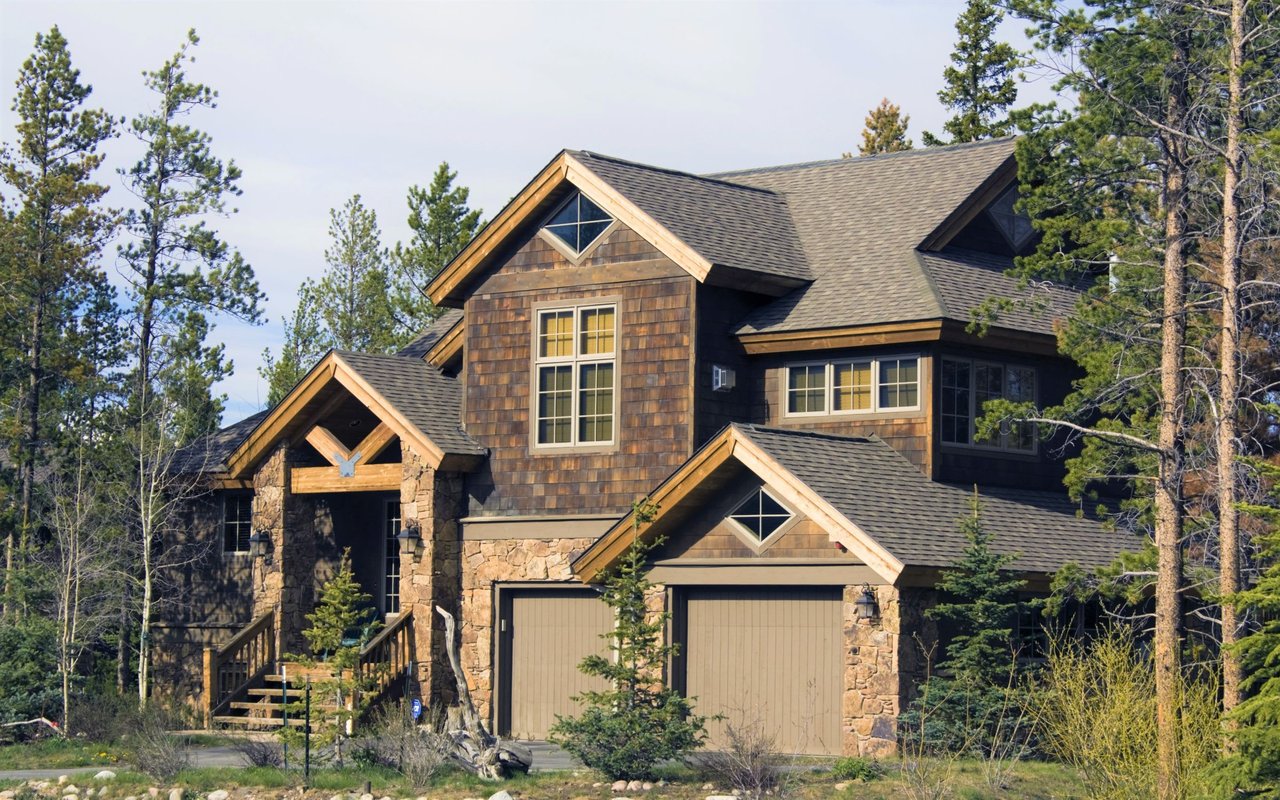
If you want mountain views, elbow room, and a property that feels connected to both town and the outdoors, acreage around Red Lodge deserves a close look. This part of Carbon County offers a rare mix of privacy, recreation, and practical access, but rural buying here comes with details you need to understand early. From seasonal roads to septic approval and livestock rules, a little clarity goes a long way. Let’s dive in.
Red Lodge is not a dense urban market. It is a historic mountain town with a strong Western identity and a setting that naturally supports a more spread-out lifestyle.
That matters if you are searching for acreage. Land around Red Lodge can offer a sense of space and privacy while still keeping you tied to a lively town known for recreation, local events, and access to the mountains.
The town is also widely recognized as the gateway to Yellowstone Park via the Beartooth Highway. That gives the area a distinct identity as both a community hub and a basecamp for people who want to spend time outdoors in every season.
Acreage living around Red Lodge is often less about isolation and more about balance. You may be looking for room for a home site, a shop, horses, or simply wider views and fewer close neighbors.
At the same time, Red Lodge itself has an active seasonal rhythm. Its community flavor blends history, outdoor recreation, and a Western events culture that includes rodeos, rallies, and other town-centered activity.
For many buyers, that combination is the appeal. You get breathing room on your own property without feeling cut off from town life.
One of the first things to understand about mountain-town acreage is how you will get in and out throughout the year. In the Red Lodge area, US-212 is a major corridor that connects the region through rural agricultural lands toward Billings and beyond.
That makes road access an important part of daily life, not just a detail on a map. If you are evaluating land or a rural home, access should be part of your early due diligence.
Carbon County’s planning office handles county road approach permits and rural address applications, which signals how central access is to rural property use. Whether you plan to build now or later, road-related questions should be addressed early.
The Beartooth Highway is one of the area’s defining features, but it is not a year-round route. According to the Montana Department of Transportation, it is generally open from the Friday of Memorial Day weekend through mid-October, weather permitting.
Temporary closures can also happen because of high-elevation weather. If your vision for the property includes frequent mountain travel or scenic access, it is smart to factor seasonality into your plans.
This does not reduce the area’s appeal. It simply means mountain living comes with patterns you need to respect and plan around.
For many buyers, acreage around Red Lodge is about more than the land itself. It is about what that land connects you to.
The Red Lodge area is one of the most heavily visited parts of the Beartooth Ranger District. The Forest Service organizes local recreation around the US-212 corridor, the West Fork of Rock Creek, and the Line Creek area, with the Beartooth Scenic Highway serving as a major draw.
Nearby recreation supports the kind of lifestyle many acreage buyers want. Hiking, horseback riding, camping, and mountain access are all part of the broader setting.
Parkside Campground, for example, sits south of Red Lodge on the Main Fork of Rock Creek and is near trails such as Mount Maurice, Corral Creek, Bear Track, and Lake Fork. If you picture your property as a home base for time outside, this area aligns well with that goal.
Red Lodge Mountain adds another layer to the lifestyle. The resort says its ski season typically runs from the day after Thanksgiving through the second Sunday in April.
In summer, operations include scenic lift rides, hiking, disc golf, and cross-country mountain biking on multi-use trails. For buyers who want acreage near a town with year-round energy, that four-season identity is a major advantage.
Many acreage buyers ask the same practical question right away: can you keep horses, chickens, or other small livestock? Around Red Lodge, the answer depends heavily on whether the property is inside city limits or on rural land outside town.
Inside Red Lodge city limits, livestock rules are restrictive. The city states that it is generally unlawful to keep hogs, cattle, sheep, swine, goats, chickens, turkeys, ducks, geese, or other domestic livestock or fowl within the city, with limited exceptions for chickens tied to educational use and other specific conditions.
Horses and mules are treated differently, but they still come with fencing and setback requirements. The city code requires legal fencing and minimum distances from other dwellings or business houses when horses, mules, foals, or goats are kept within city limits.
For acreage buyers, the bigger opportunity is usually outside city limits. Rural parcels generally offer more flexibility for horse or small-livestock use than in-town properties.
That said, flexibility is not the same as automatic approval. County permitting, septic authorization, road access, floodplain review, and subdivision rules still matter.
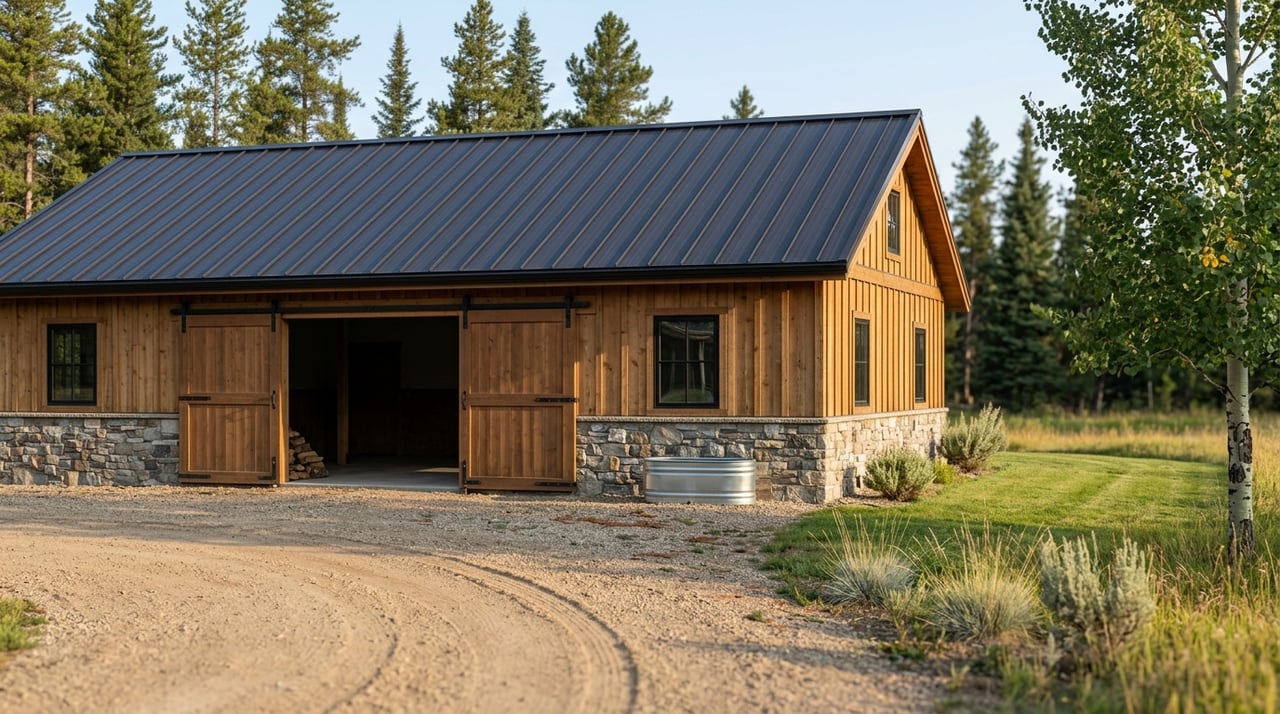
If you are planning a barn, shop, guest structure, or future home site, those details should be part of your review before you commit. This is where informed rural guidance becomes especially valuable.
A beautiful parcel is only part of the story. If you plan to build, improve, or expand on acreage around Red Lodge, buildability needs careful review.
Carbon County’s planning office handles development permits, subdivision regulation, septic permits, floodplain administration, and rural addressing. That means the county has a direct role in many of the issues that shape how a property can actually be used.
This is one of the biggest differences between buying acreage and buying an in-town home. The land may feel simple on the surface, but the path to improving it often depends on county-level approvals.
Carbon County notes that parcels under 20 acres often need a DEQ Certificate of Subdivision Approval before septic permitting. Parcels over 20 acres follow a county sanitary approval path.
This distinction is especially important if you are planning a home site or additional improvements. Septic questions can affect timeline, cost, and what is realistic for the property.
In practical terms, buyers should treat septic review as a core part of due diligence, not a box to check later.
When you are comparing acreage around Red Lodge, it helps to stay focused on a few essentials. Carbon County’s framework makes it clear that rural due diligence usually includes more than just title and price.
Here are key items to review early:
The goal is not to make the process feel complicated. It is to make sure the property supports the life you actually want to build there.
Acreage around Red Lodge tends to attract buyers who want both land and lifestyle. Some are looking for a refined mountain retreat with more privacy than an in-town home can offer.
Others want room for horses, recreational equipment, or future improvements. Many are drawn to the mix of historic town character, mountain access, and practical connection to a regional road network.
What stands out most is the balance. Red Lodge offers space to spread out, but it still feels like a real community with a visible seasonal pulse.
In a market like Red Lodge, the right property is not only about views or acreage count. It is about how access, seasonality, county approvals, and intended use come together.
That is why mountain-town acreage deserves a thoughtful approach. Buyers who understand the local framework are better positioned to choose property with confidence and avoid surprises later.
If you are considering acreage around Red Lodge, it helps to work with someone who understands Montana rural property from both a land-use and market perspective. For tailored guidance on acreage, ranchettes, and luxury rural property, connect with Stacie Wells.
Stay up to date on the latest real estate trends.
Get assistance in determining current property value, crafting a competitive offer, writing and negotiating a contract, and much more. Contact Stacie today to discuss all your real estate needs!
Let's Get Started